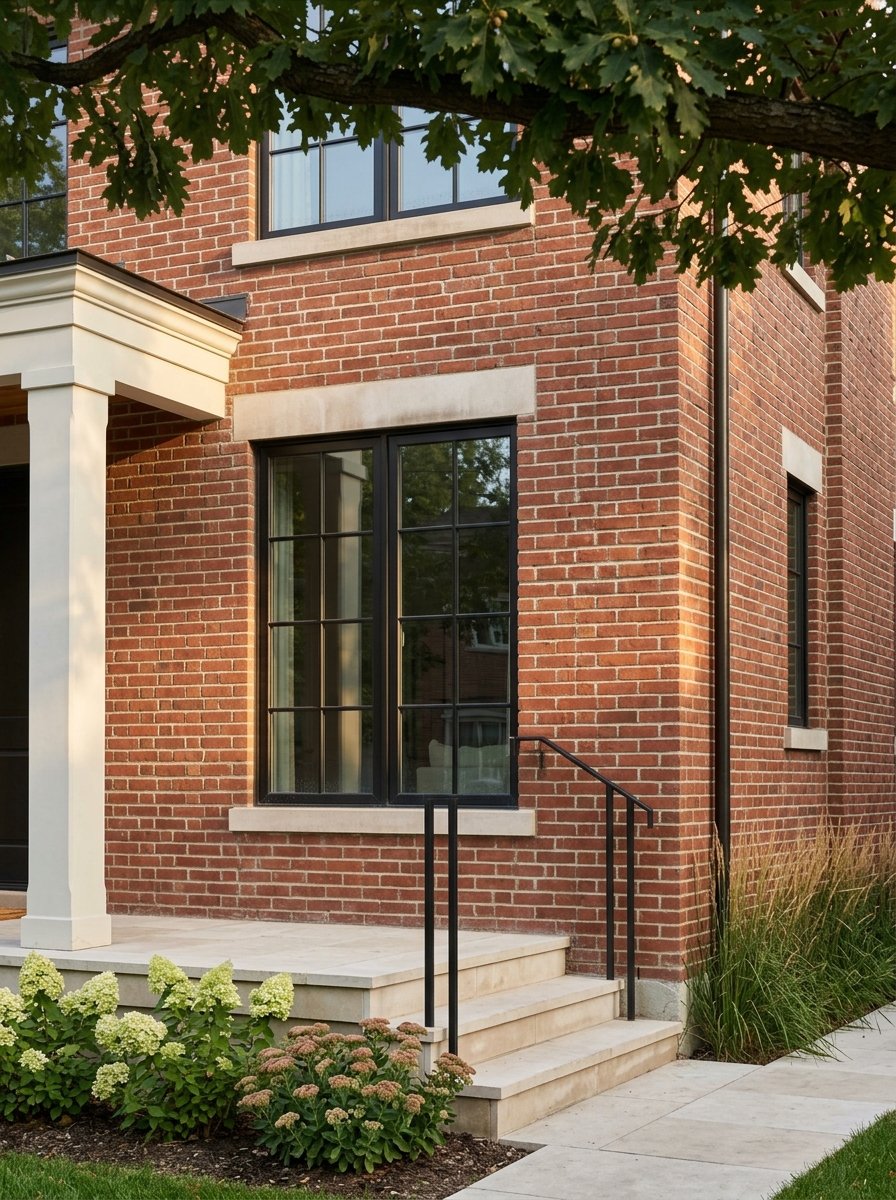
Country Club Denver Real Estate Market Trends
July 23, 2026
July 23, 2026
If you are watching Country Club Denver, you have probably noticed one thing fast: this is not a market that behaves like the rest of the city. Prices sit far above Denver-wide averages, inventory stays tight, and one home can move quickly while another lingers for months. If you want to understand what that means for your plans as a buyer or seller, this guide will help you read the signals more clearly. Let’s dive in.
Country Club operates as a premium, low-volume segment within Denver. Public data for May and June 2026 shows neighborhood pricing well above the broader city and metro market, with a much smaller number of listings and sales.
Realtor.com’s May 2026 snapshot shows 22 active listings, a median list price of $2.69 million, a median sold price of $2.73 million, $567 per square foot, 40 median days on market, and a 100% sale-to-list ratio. Redfin’s three-month view ending May 2026 shows a $2.486 million median sale price, 10 homes sold, 87 median days on market, and a 96.7% sale-to-list ratio.
That spread matters. In a neighborhood with so few sales, one data point does not tell the whole story. The better way to read Country Club is as a range-based market where property type, condition, pricing, and presentation can meaningfully change the outcome.
Country Club sits in a very different price and pace category than the city overall. Redfin reports a Denver median sale price of $634,620 and 18 median days on market, while REcolorado’s June 2026 metro watch shows a $614,000 median closed price and 19 median days in the MLS.
That comparison helps frame expectations. Country Club is not just a more expensive version of the Denver market. It is a thinner, more specialized submarket where a smaller buyer pool and higher price points create less predictable timing.
One of the biggest reasons neighborhood data can feel confusing is that Country Club includes different housing types. Recent sold data includes detached homes, attached residences, and smaller condos, which can shift the neighborhood median.
Redfin’s recent sold set includes one-bedroom sales at $175,000 and $307,000, alongside detached sales like $1.025 million, $1.142 million, $1.292 million, $2.48 million, $3.10 million, and $4.175 million. Because of that mix, the neighborhood-wide median is not a clean stand-in for the legacy single-family segment.
For many buyers and sellers focused on detached homes, a more practical current band appears to be roughly $1 million to $3 million and above, with estate-level properties extending into the $4 million to $5 million range. That is the range where pricing strategy and property preparation tend to matter most.
Country Club is not behaving like a market where every home sells instantly. It also is not a market where demand has disappeared. The pattern is more selective than that.
Redfin shows that 20% of homes sold above list price, while 36.2% had price drops. Realtor.com’s snapshot reports a 100% sale-to-list ratio. Taken together, the signal is clear: strong homes can still attract serious demand, but buyers are not rewarding every listing equally.
This is why two homes can have very different outcomes. A well-positioned property may receive multiple offers or trade close to asking, while an overreaching or tired listing may need reductions and a longer marketing window.
Timing in Country Club is especially uneven. Depending on the source and time window, median days on market ranges from 40 to 87 days, which already suggests a wider spread than many Denver buyers and sellers expect.
The recent sales examples make that even clearer. One home sold in 20 days and 8% over list, while another sold after 504 days and 7% under list. Several others landed in between, selling in 26 to 64 days and often slightly below ask.
For sellers, that means speed is earned, not assumed. For buyers, it means there may be opportunities when a home has lingered and expectations begin to reset.
Small inventory is one reason Country Club can feel hard to read. Realtor.com reports active listings up 27.78% month over month, but still down 17.86% from last year.
In a larger neighborhood, those changes might smooth out over time. In Country Club, a handful of new listings can move the numbers quickly. That is why broad monthly shifts should be read carefully and always paired with a property-level view.
Country Club’s appeal is closely tied to its historic setting and physical character. Denver designates Country Club as Landmark Historic District D-18, and city parkway guidance identifies parkways on Franklin, Gilpin, High, 3rd, 4th, 1st, and Downing as part of that identity.
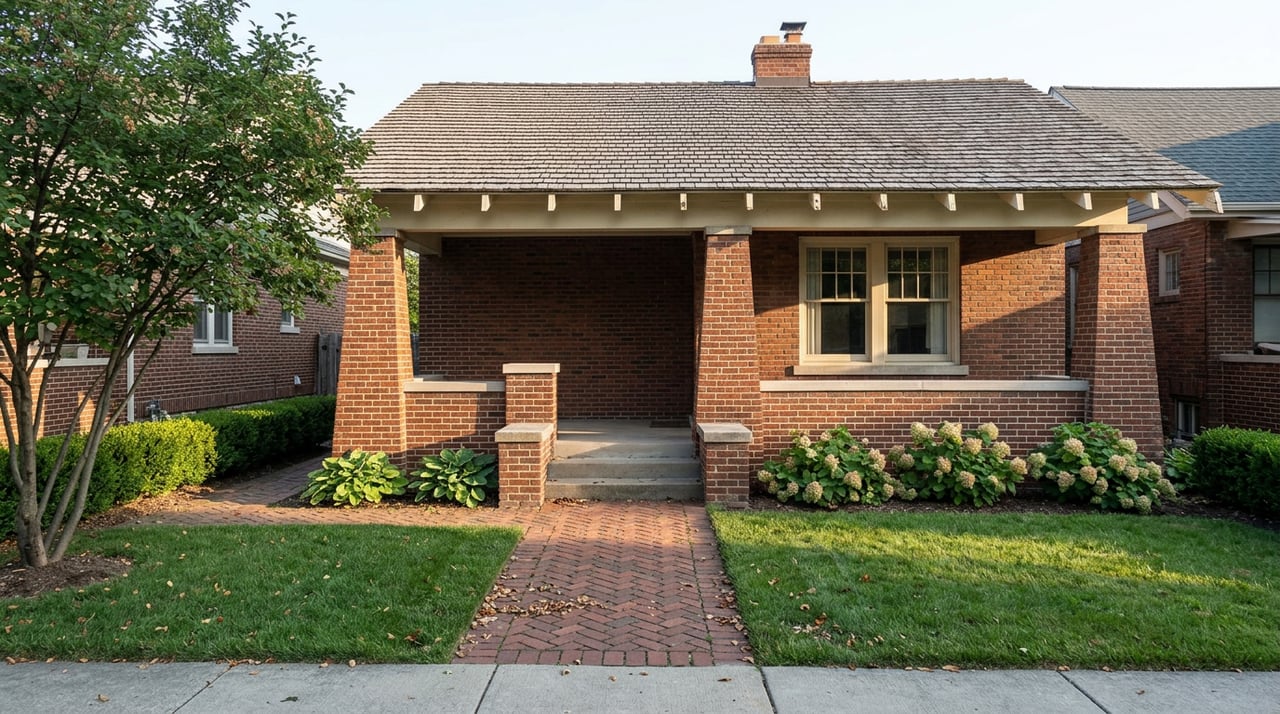
The district guidance emphasizes large houses on large lots, tree lawns, detached sidewalks, raised front yards, broad lawns, and historic gateways. Those features help explain why the neighborhood continues to stand apart. Buyers are not just evaluating square footage or finishes. They are also paying for a specific streetscape and a preserved sense of place.
Country Club also benefits from strong urban access. Redfin scores the neighborhood at 77 out of 100 for walkability, 46 out of 100 for transit, and 93 out of 100 for bikeability.
That mix is meaningful in a high-price historic neighborhood. It offers residential character without giving up day-to-day mobility, which supports long-term buyer interest and helps explain why well-located, well-prepared homes can still perform strongly.
If you own in Country Club or plan to buy and update, preservation review is part of the market reality. In Denver’s historic districts, Landmark Preservation reviews plans for new construction and exterior work, and a certificate of appropriateness is required before building or zoning permits are pursued.
Roofing and siding work in a historic district also require Landmark Preservation approval. District and parkway guidelines emphasize preserving visible elements such as tree lawns, detached sidewalks, open front yards, low front-yard walls or fences, and original gateways.
In practical terms, visible changes can take more time than they would in a non-historic neighborhood. That often increases the appeal of homes that have already been updated in a way that respects the district context.
In Country Club, pricing and presentation are closely linked. Because buyers are selective and inventory is limited, your home needs to enter the market with a clear strategy from day one.
A strong launch often depends on thoughtful preparation, accurate positioning within the right price band, and marketing that matches the caliber of the asset. In a neighborhood where some homes sell near or above ask and others sit, the difference is often in how well the property is aligned with buyer expectations before it goes live.
For luxury sellers, this is where a tailored approach matters. A disciplined plan around staging, photography, private previews, and broader exposure can help reduce guesswork and improve the odds of a stronger result.
As a buyer, you need to know that the headline median does not tell you what any one home is worth. In Country Club, the right offer depends on the property type, condition, renovation history, time on market, and how the home fits within the neighborhood’s historic context.
Some listings may require quick action if they are well-prepared and well-priced. Others may offer room to negotiate, especially if they have sat or seen price reductions. Reading those signals correctly can make a major difference in both timing and terms.
This is also a neighborhood where off-market and pre-market visibility can be especially valuable. In a small, high-end market, access and micro-neighborhood context often matter just as much as speed.
Country Club performs like a preservation-constrained, high-end micro-market with real demand and very little margin for generic strategy. It is priced far above the broader Denver market, inventory remains limited, and outcomes vary sharply based on property type, condition, and execution.
If you are buying, that means staying precise and patient. If you are selling, it means treating launch strategy as a value driver, not a checklist item.
When you want neighborhood-level guidance, tailored positioning, and a calm process for a high-value move, connect with Mckinze Casey to request a private consultation.

Ready to turn your homeownership dreams into reality? Fantastic! Drop us a line below—because making magic happen is more fun when we do it together. Let's chat about your home aspirations and turn them into a blockbuster story. Ready, set, type away!