Why Part of Congress Park Stopped Looking Like a Lawn This Summer
September 24, 2026
September 24, 2026
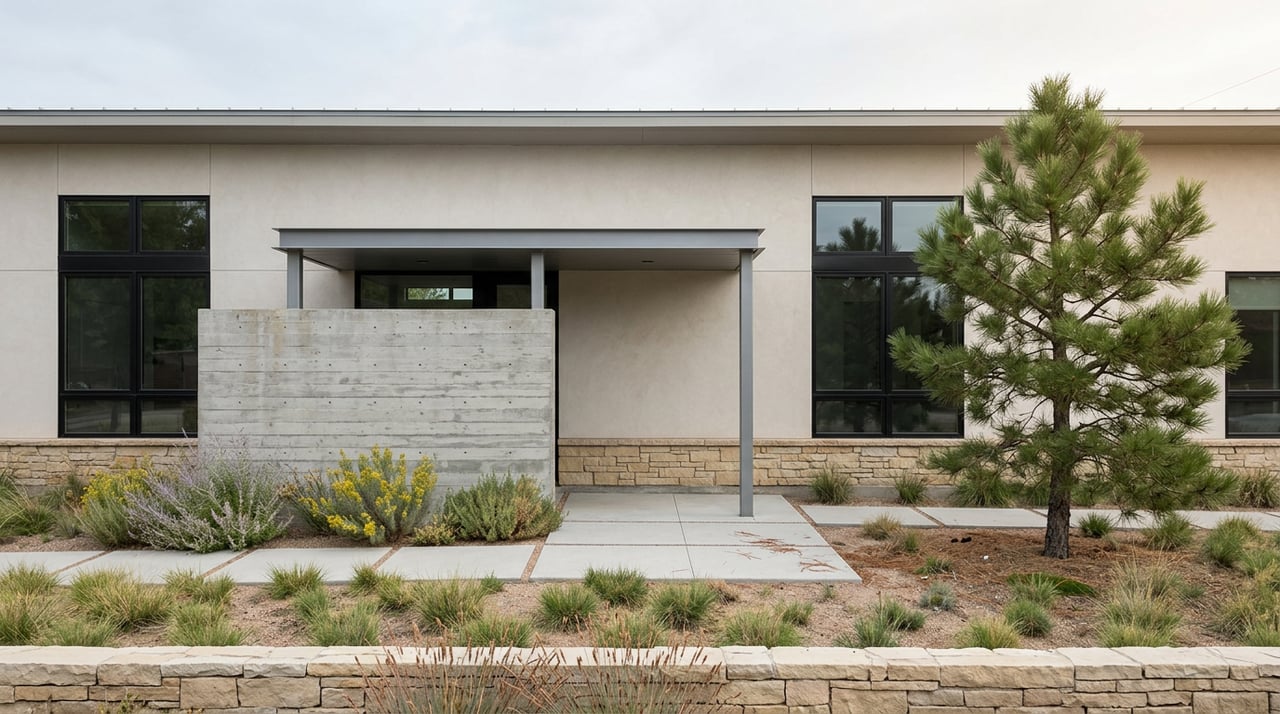
If you cut across Congress Park sometime in late July, you may have noticed a patch of ground that no longer matched the rest of the lawn. Where you expected uniform green, there was a scruffier mix of grasses and low plants, the kind of texture that reads as neglect until you look closer and realize it was planted that way on purpose.
It was. In late July, Congress Park Neighbors, the neighborhood association, posted an explanation: a team of Denver Parks and Recreation employees had swapped out a section of what they called "thirsty, nonfunctional bluegrass" for a native garden built to handle drought. Nobody voted on this at a city council meeting or funded it through a bond measure. It was staff who noticed a stretch of turf that nobody used for soccer, weddings, or anything else, and decided to plant something better suited to where it actually sits.
That distinction matters more than it sounds like it should. Denver's parks system is enormous, and most changes to it move through budgets, master plans, and public comment periods that take years. This one moved because a handful of people on the ground looked at one specific patch of grass and made a call.
Not every square foot of turf in a city park does the same job. Sports fields, playground surrounds, and the lawn where weddings and picnics happen all earn their water because people are actually standing on them. Then there's the other category: strips and pockets of bluegrass that exist mostly because bluegrass is what got planted decades ago, not because anyone needs a green carpet in that exact spot.
That second category is what Denver Parks and Recreation targeted at Congress Park. The area they converted isn't a sports field or a gathering lawn. It's ground that was growing grass because grass was the default, not because grass was the best option.
The result, according to the association's post, is already visible in the smaller wildlife it's attracting. Butterflies, hummingbirds, and bees have shown up in that corner, and the post specifically encouraged residents to photograph them. If a section of the park looks a little wilder than it used to, that wildness is the point.
None of this happened in a vacuum. On March 25, 2026, Denver Water declared a Stage 1 Drought, the utility's first in 13 years, covering roughly 1.5 million people across Denver and the surrounding metro area. The trigger was low snowpack in both the Colorado River and South Platte basins, combined with reservoir levels running below seasonal targets.
Under Stage 1 rules, outdoor watering across the service area is limited to two days a week, and never between 10 a.m. and 6 p.m. Denver Water has kept encouraging native grass projects even under those restrictions, because once established, native grass needs less total water over a full season than maintaining an already-mature bluegrass lawn. The catch is that getting a native planting through its first season actually requires more frequent watering than the standard restrictions allow, which is why anyone attempting this on private property has to request a watering exemption first.
Congress Park's conversion is a small, visible version of a citywide math problem. Water is scarcer this year than it has been in over a decade, and a lawn that nobody actually uses for anything is one of the easiest places to spend less of it.
The comparison is stark once you put a number next to it. A single acre of established Kentucky bluegrass can require up to 700,000 gallons of water annually. An acre of native grass, once it's established, uses roughly 215,000 gallons over the same year.
| Turf type | Gallons per acre, annually |
|---|---|
| Kentucky bluegrass | ~700,000 |
| Native grass | ~215,000 |
That gap is the entire argument for projects like the one at Congress Park. It's not that bluegrass is bad. It's that a lot of Denver's public bluegrass is sitting in places where nobody is asking it to look like a golf course, and every one of those acres is a lever the city can pull without touching a single field anyone actually plays on.
Congress Park isn't the only place this lever got pulled this year. Four medians along Quebec Street, between Martin Luther King Jr. Boulevard and Smith Road, covered roughly 10 acres of nonfunctional bluegrass that was consuming an additional 9 million gallons of water annually. Those medians are now being converted to a natural meadow. Citywide, more than 63 percent of Denver's urban park system is still covered in water-demanding, non-native bluegrass, which gives some sense of how much room is left for projects like this one to keep multiplying.
If the newly converted patch at Congress Park looks patchy or sparse right now, that's normal, not a sign something failed. Native plantings typically need one to two full growing seasons before they fill in and start looking established rather than experimental. Denver Botanic Gardens has been demonstrating the same principle on a larger scale this year: staff there have said that roughly a quarter of their gardens go entirely unwatered, relying instead on plant choices suited to the climate, with spot watering reserved for anything newly planted.
The same logic applies to a lawn left to go dormant rather than converted outright. A brown lawn in a drought year isn't a dead lawn. Forcing turf into dormancy by withholding water won't kill established bluegrass, it just means one season where it doesn't look as green as usual. There's even a minor upside: letting bluegrass go dormant can reduce Japanese beetle populations, since the beetles depend on consistently green turf to survive.
So the honest way to read that scruffy corner of Congress Park over the next year is patience, not concern. What looks unfinished in September is the early stage of something that's supposed to look different from the rest of the lawn once it matures, not a section the park forgot to water.
Congress Park's identity was never really about the grass. It's the tennis courts, the pavilion where the neighborhood association still hosts its annual Ice Cream Social, and the fact that it functions as a genuine gathering point for the blocks around it. None of that changes because one corner of turf got swapped for something that needs less water and draws more pollinators.
What did change is a small, useful data point about how this particular park is being managed in a year when water is tighter than it's been in over a decade. It wasn't a directive from downtown. It was a team of parks employees who looked at one patch of unused grass and decided the neighborhood didn't need it to stay green.
If you're the kind of Congress Park resident who tracks these small shifts, that's exactly the sort of detail we pay attention to as well, alongside the market conditions, zoning questions, and neighborhood changes that shape what it's actually like to live here long term. If you ever want to talk through any of that, or you're simply curious what else is shifting in Congress Park and the neighborhoods around it, Mckinze Casey is happy to talk. Request a Private Consultation whenever the timing is right for you.

Ready to turn your homeownership dreams into reality? Fantastic! Drop us a line below—because making magic happen is more fun when we do it together. Let's chat about your home aspirations and turn them into a blockbuster story. Ready, set, type away!