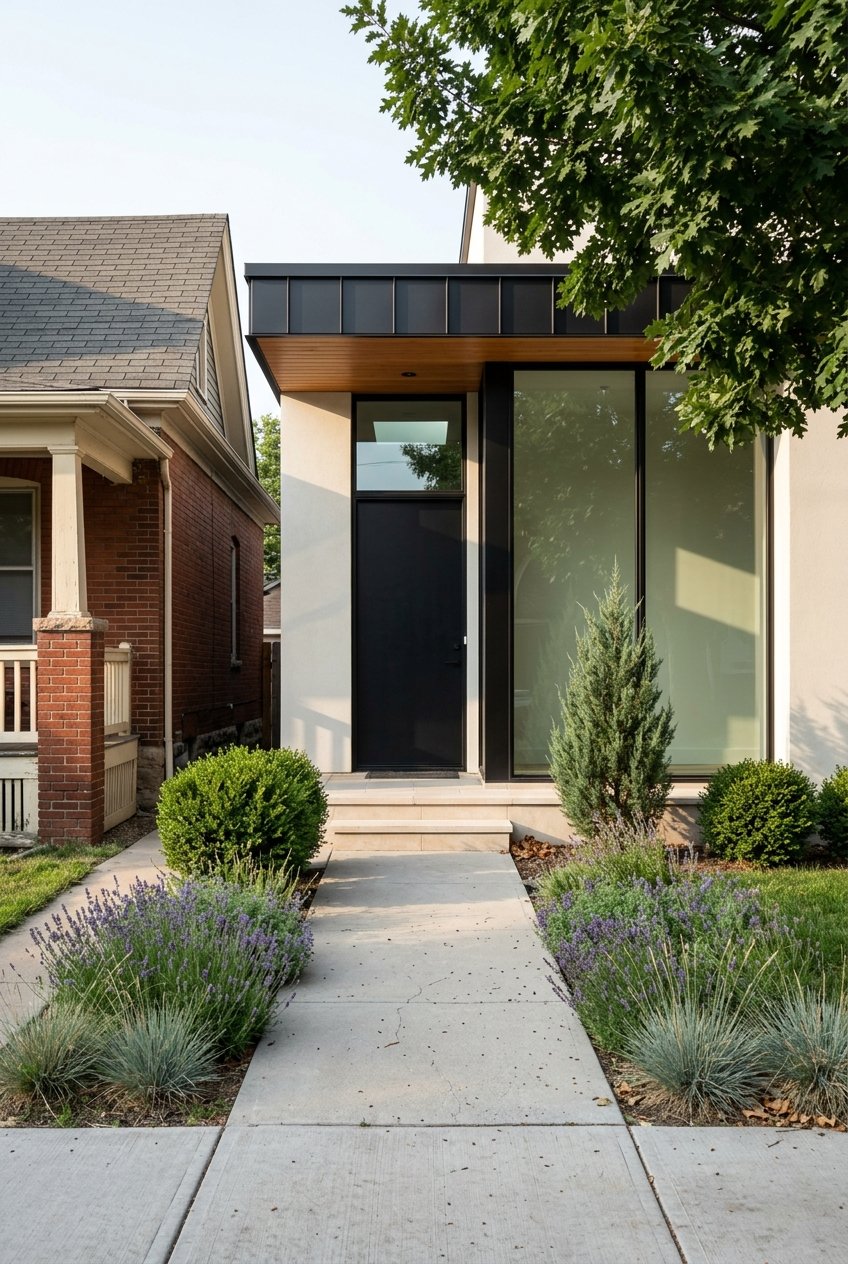
Bungalows Or New Builds In Washington Park?
June 11, 2026
June 11, 2026
Wondering whether a classic bungalow or a newer custom home makes more sense in Washington Park? You are not alone. In one of Denver’s most sought-after neighborhoods, that choice often comes down to more than style alone. It affects your budget, your renovation plans, your day-to-day living, and how much work you want to take on after closing. This guide will help you compare both paths in practical terms so you can move forward with more clarity. Let’s dive in.
Washington Park has a distinct identity in Denver. The neighborhood centers around a 155-acre park with two lakes, formal flower gardens, and tree-lined paths, and it is also known for nearby dining and shopping areas like South Pearl Street and Historic South Gaylord.
For many buyers, the appeal is simple: you get an established, close-in Denver location with a strong outdoor lifestyle and everyday walkability. Redfin rates the neighborhood with a Walk Score of 61, which supports that mix of convenience and neighborhood access.
Before comparing home styles, it helps to understand the price backdrop. Washington Park sits firmly in Denver’s premium tier, and both older homes and new construction reflect that.
Recent data shows a median sale price of about $1.684 million in Redfin’s three-month view ending April 2026, while realtor.com reported a median list price of $2.02 million in March 2026. Those figures measure different things, but together they show that buyers should expect a high-entry market where both land and improvements carry significant value.
A Denver Gazette report from July 2025 highlighted how strong land value is in the neighborhood. Even smaller bungalows were being valued around $1.3 million to $1.5 million before renovation, which is important context if you are hoping to buy an older home and update it over time.
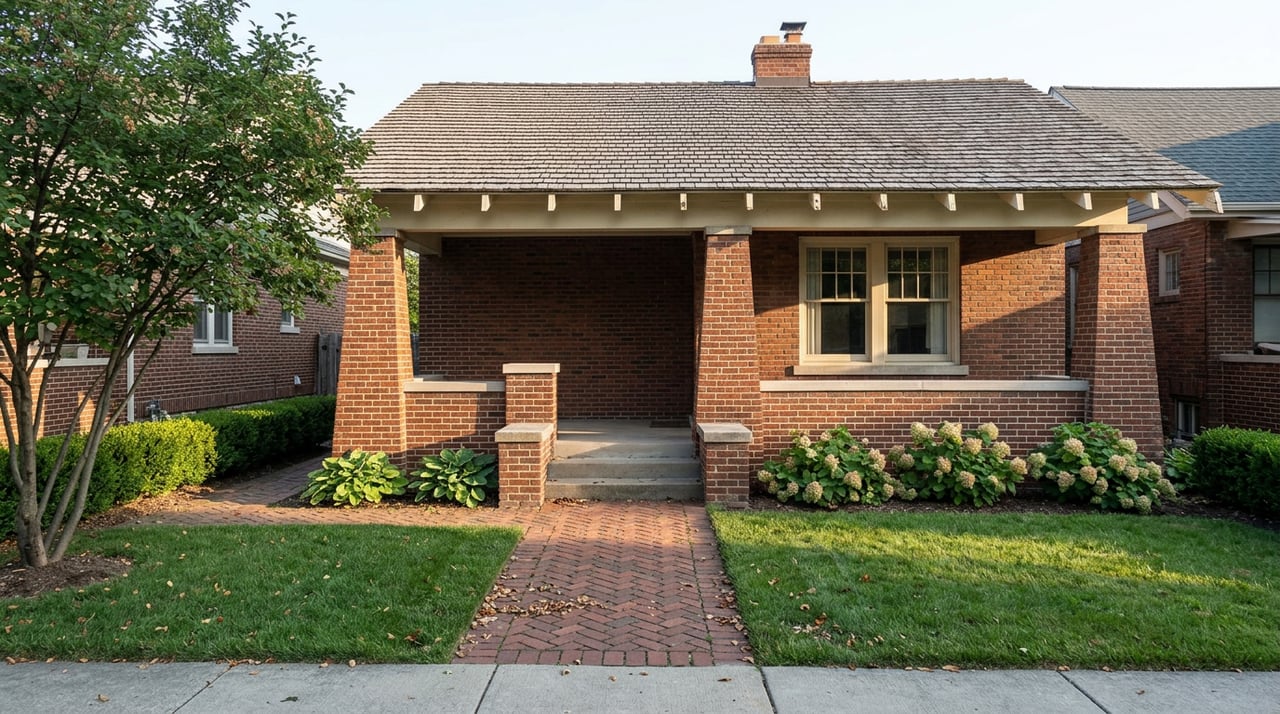
In Washington Park, a bungalow usually appeals to buyers who want architectural character and a connection to the neighborhood’s older housing stock. By definition, a bungalow is typically a one- or one-and-a-half-story home with a low-pitched roof, overhanging eaves, and a front porch or veranda.
In practical terms, many vintage Wash Park homes offer original wood floors, built-ins, and smaller room proportions. You may also find finished or partially finished basements that add extra bedrooms, office space, or a rec room without changing the home’s classic street presence.
Current vintage listings in the neighborhood show a wide range even within this category. Examples in the research include a 1925 home listed at $1.25 million, a 1929 bungalow listed at $775,000, and a 1923 home listed at $1.45 million.
A bungalow can feel warm, established, and highly specific to Wash Park. If you value charm, craftsmanship, and a home that feels rooted in the neighborhood’s history, this style may be the stronger fit.
Bungalows can also be appealing if you prefer to improve a property gradually. Rather than paying upfront for every modern feature, you may choose a home with solid bones and update kitchens, baths, windows, or insulation over time.
The tradeoff is due diligence. Older homes often require more careful inspections and a more realistic renovation budget.
Many older homes have less insulation than homes built today. Also, homes built before 1978 are more likely to have lead-based paint, which matters if renovation work will disturb painted surfaces.
That does not mean a bungalow is the wrong choice. It means your inspection report, permit history, and upgrade plan can materially affect the true cost of ownership.
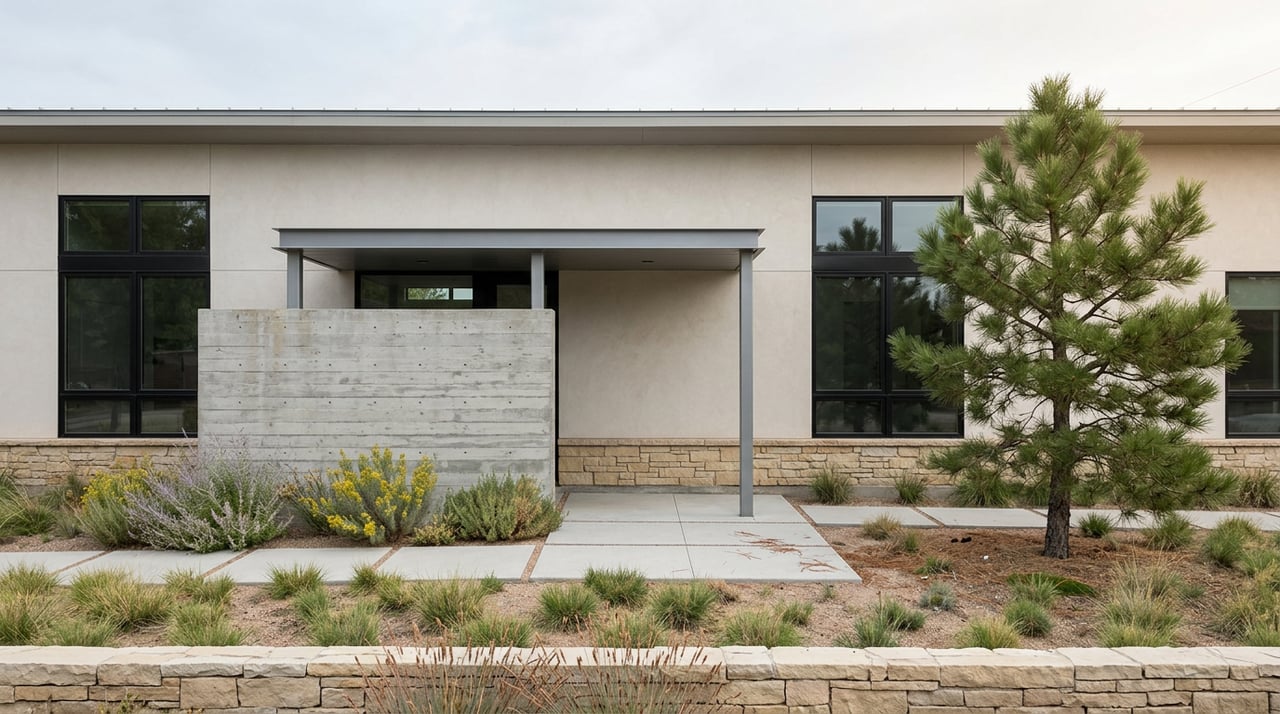
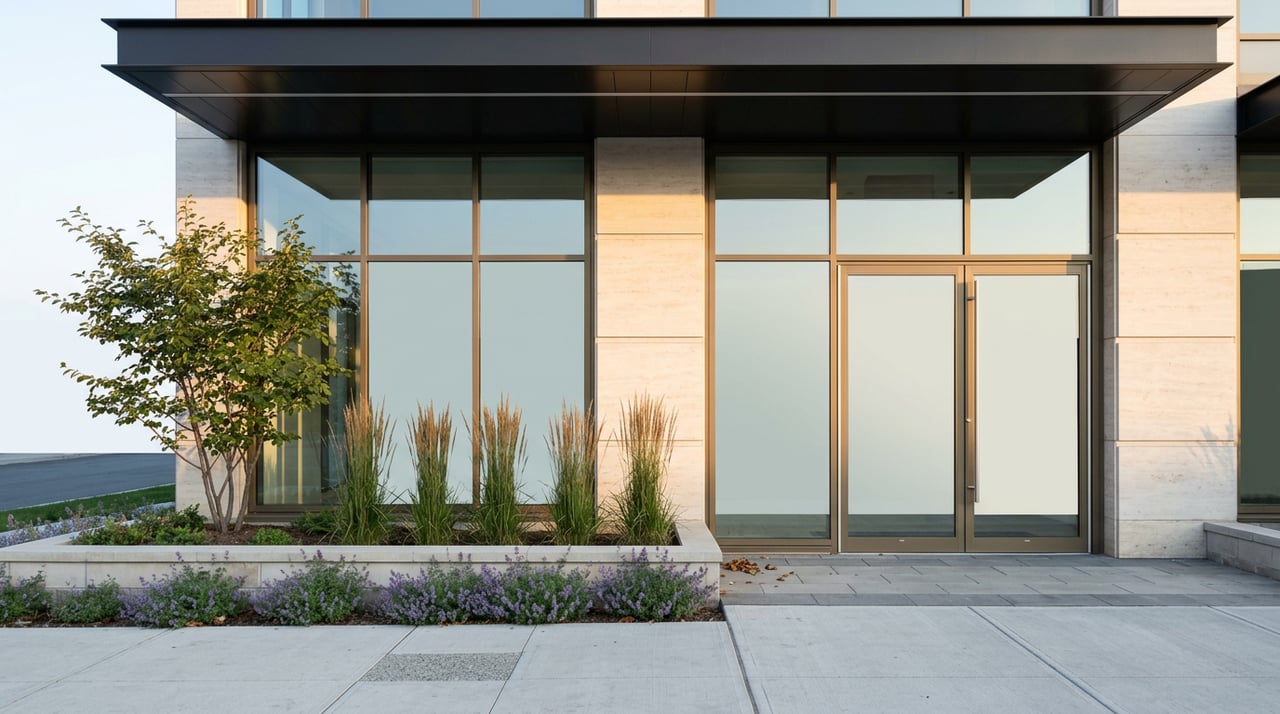
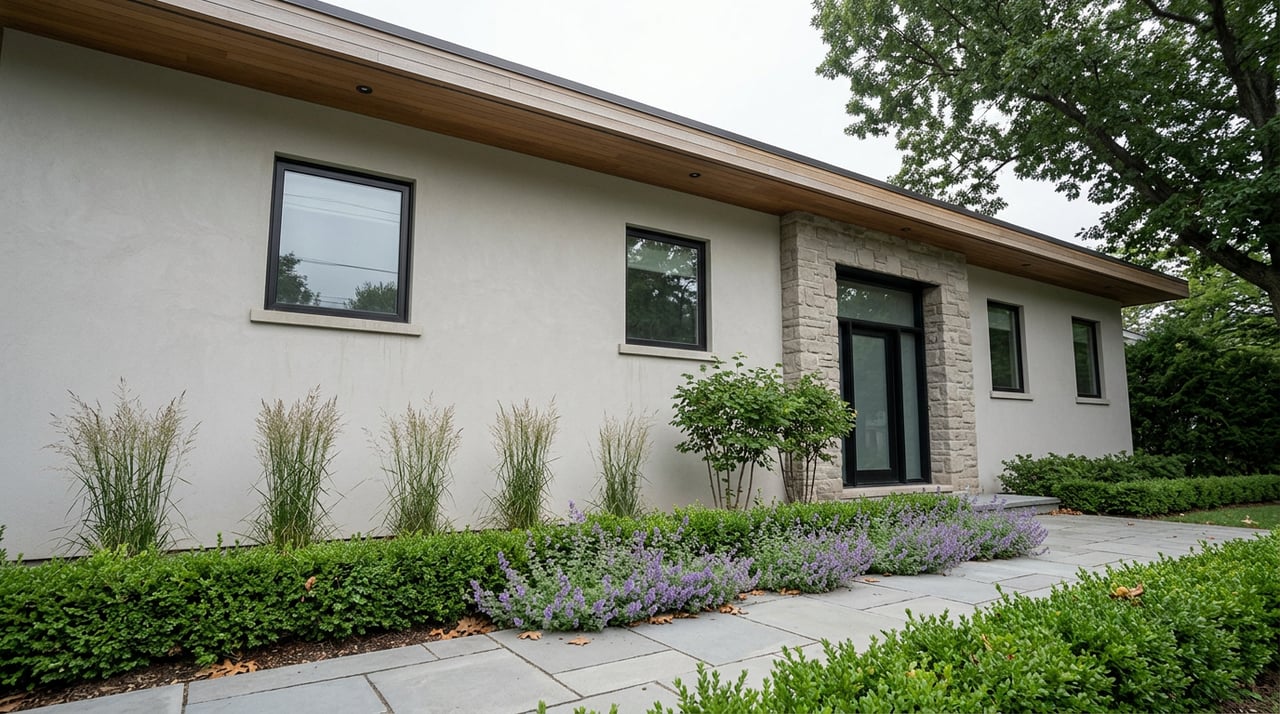
Newer homes in Washington Park tend to be much larger and more contemporary than the neighborhood’s classic bungalows. Current new-construction listings in the research include homes in the $2 million to $4 million-plus range, along with a much larger top-end example listed at $6.6 million.
These homes often emphasize open-concept interiors, high ceilings, large kitchen islands, attached garages, mudrooms, and strong indoor-outdoor flow. In many cases, they also offer more bathrooms, more highly programmed living space, and layouts designed around how buyers live today.
If you need flexible space for work, guests, hobbies, or multigenerational living, a newer build may solve more problems on day one. For busy buyers, that can be a major advantage.
The biggest draw is convenience. New construction usually offers modern systems, lower early maintenance demands, and a floor plan that feels ready for contemporary living without immediate renovation.
Newer homes also benefit from a newer-code baseline. Denver adopts the International Code Council suite with local amendments, including its Energy Code and Denver Green Code, and Colorado law requires jurisdictions to adopt and enforce one of the three most recent IECC versions when they update building codes.
For you as a buyer, that can translate into a stronger baseline for insulation, windows, and HVAC than you would typically find in a century-old home. While every property is different, that newer-code framework is one reason many buyers view new builds as the simpler path.
The main tradeoff is often cost and scale. In Washington Park, new homes usually come at a significantly higher price point than smaller vintage homes, and they may offer more square footage than some buyers actually need.
You are also choosing a different style of ownership. If your priority is historic detail and the visual rhythm of older homes, some new construction may feel less aligned with that preference, even when the location is excellent.
Here is the practical comparison many buyers are really making:
| Feature | Bungalow | New Build |
|---|---|---|
| Style | Historic character and original details | Contemporary design and modern finishes |
| Layout | More compact, early-20th-century floor plan | Larger, open-concept living |
| Condition | Often updated in phases, with more inspection focus | Typically move-in ready with newer systems |
| Maintenance | Higher likelihood of early repairs or upgrades | Lower near-term maintenance in many cases |
| Space | Usually smaller footprint with basement bonus space | More square footage and more baths |
| Budget Range | Broad range, but often still expensive due to land value | Commonly $2M to $4M+ in current listings |
| Buyer Fit | Best for character-first buyers | Best for convenience- and space-first buyers |
In Washington Park, your renovation plans should never rest on assumptions. Denver reviews exterior changes that require a building or zoning permit on individual landmark sites or properties in historic districts.
The city also requires Landmark Preservation review for demolition of all primary structures citywide and for accessory structures over 1.5 stories. Roofing and siding work on landmark or historic-district buildings must also be approved first.
This matters most if you are buying a bungalow with plans to expand, rework the exterior, or replace major materials. A home may look like a great candidate for updates, but the review process can change your timing, budget, and scope.
If you are deciding between the two, start with your day-to-day needs rather than the listing photos. The right home is the one that supports how you want to live in Washington Park.
A bungalow may suit you if you want charm, a more compact layout, and the chance to personalize the home over time. A new build may suit you if you want more space, more bathrooms, modern systems, and fewer immediate project decisions.
For relocating buyers and busy professionals, this distinction matters even more. If your schedule leaves little room for renovation oversight, newer construction may offer a smoother transition. If you are more focused on long-term character and are comfortable managing upgrades, a bungalow can be a rewarding path.
Before you choose either path, it helps to get specific about your priorities:
In a neighborhood where inventory can feel split between vintage homes and custom infill, clarity matters. The better you define your priorities early, the easier it becomes to separate an emotional reaction from a smart decision.
Whether you are drawn to a classic porch-front bungalow or a design-forward new build, Washington Park rewards buyers who understand the tradeoffs before they write an offer. If you want a high-touch, data-informed strategy for buying in Wash Park, Mckinze Casey can help you evaluate inventory, uncover off-market opportunities, and move with confidence.

Ready to turn your homeownership dreams into reality? Fantastic! Drop us a line below—because making magic happen is more fun when we do it together. Let's chat about your home aspirations and turn them into a blockbuster story. Ready, set, type away!