Park Hill Denver Micro-Neighborhoods and Home Values
June 25, 2026
June 25, 2026
If you have ever looked at two Park Hill homes with similar square footage and wondered why the prices feel worlds apart, you are asking the right question. Park Hill is not one simple market, and that matters whether you are buying, selling, or just trying to understand your home’s position. When you break the neighborhood into its micro-areas, the pricing story becomes much clearer. Let’s dive in.
Greater Park Hill includes South Park Hill, North Park Hill, and Northeast Park Hill. According to Denver Public Library’s neighborhood history materials, the broader area runs from Colfax Avenue to 52nd Avenue, and from Colorado Boulevard east to Quebec and Syracuse.
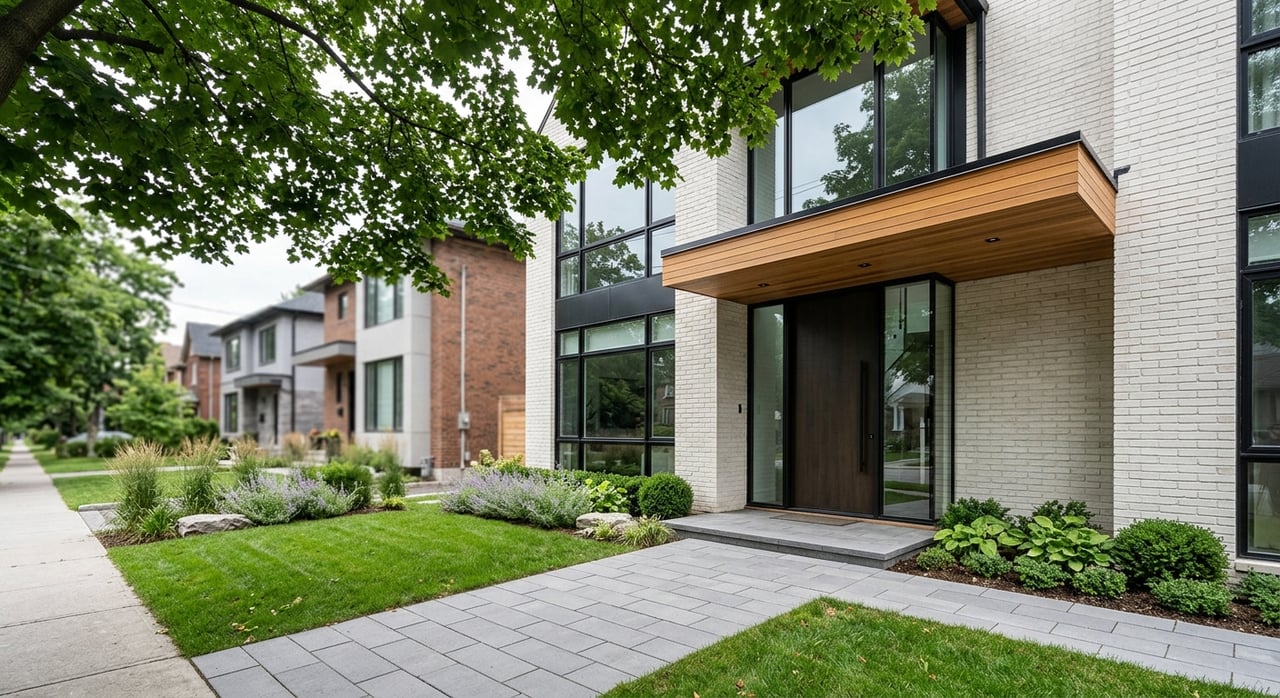
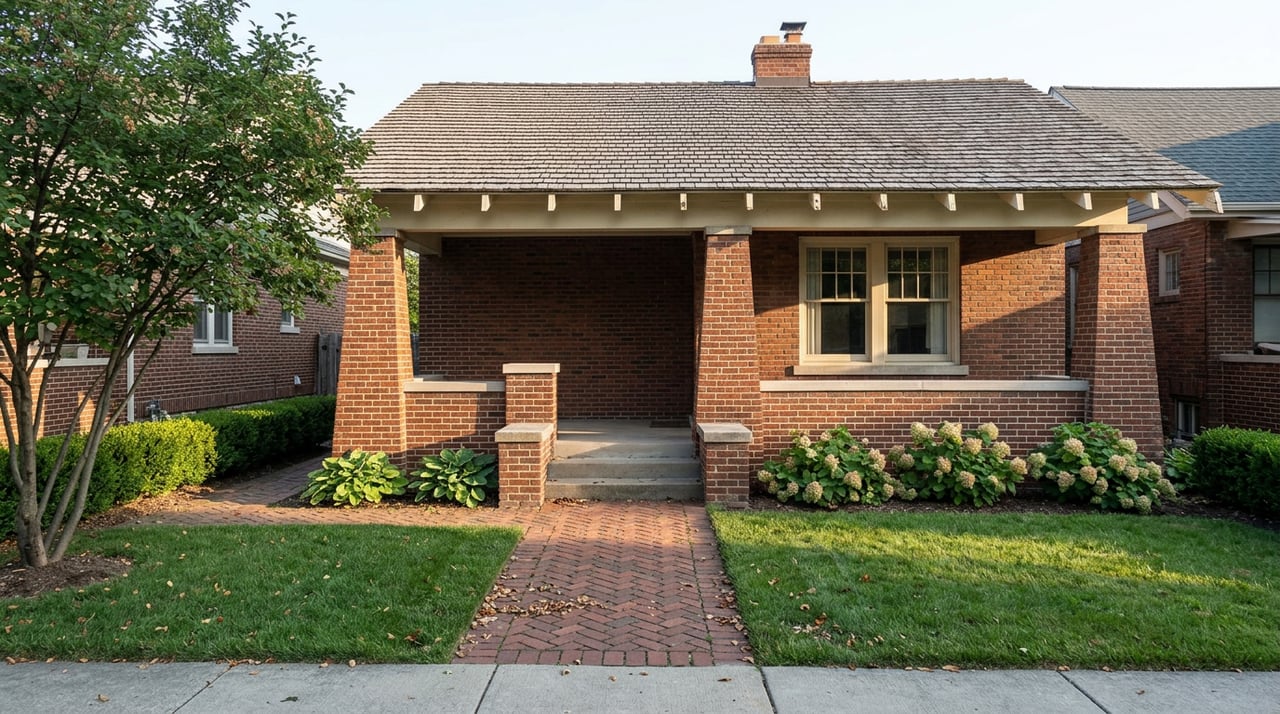
Those lines matter because the housing stock changes as you move through the neighborhood. Park Hill developed in waves, which created a mix of Victorian-era homes, Arts and Crafts properties, and postwar mid-century homes rather than one uniform style.
That layered history helps explain why Park Hill behaves like several smaller housing markets instead of one average. In real terms, a quiet interior block near a parkway can perform very differently from a block closer to a major corridor.
To understand home value here, it helps to start with the basic splits inside Park Hill.
South Park Hill sits south of 23rd Avenue within the broader Park Hill area. It includes many of the streets and parkway-adjacent blocks that buyers often associate with classic Park Hill architecture and a more established residential feel.
North Park Hill lies north of 23rd Avenue and south of Martin Luther King Boulevard. This section often serves as the middle tier in Park Hill’s value range, with a broad spread in pricing depending on block, home size, and property features.
Northeast Park Hill begins north of Martin Luther King Boulevard. Based on current modeled values, it is the most accessible entry point of the three Park Hill sub-neighborhoods.
The clearest proof that Park Hill is several markets comes from the current value spread across these three areas. The research report uses Zillow’s home-value index and Redfin’s closed-sale medians as complementary measures, not interchangeable ones.
| Micro-neighborhood | Zillow average home value | Redfin median sale price | Recent pace |
|---|---|---|---|
| South Park Hill | $947,607 | $1.03M | About 16 days |
| North Park Hill | $666,602 | $652,281 | About 14 days |
| Northeast Park Hill | $458,387 | Not provided in report | Varies by sale |
South Park Hill leads the group by a wide margin. By Zillow’s figures, it stands about $281,005 above North Park Hill and about $489,220 above Northeast Park Hill.
That is too large a spread to brush off as normal variation. It shows that when someone asks, “What is Park Hill worth?” the better answer is, “Which part of Park Hill are we talking about?”
South Park Hill currently sits in the high-value tier. The research points to a combination of older architecture, larger homes, tree-lined streets, and strong access to major amenities as likely reasons it commands more attention and higher prices.
Recent Redfin sales also show just how wide the ceiling can be. The sample ranges from $580,000 on Magnolia Street to $3.1 million on East 17th Avenue Parkway, with several other closings between roughly $720,000 and $1.6 million.
That does not mean every home in South Park Hill fits the same mold. It means buyers tend to place a premium on certain blocks, certain housing vintages, and certain locations near signature streets and amenities.
North Park Hill sits in the middle of the value ladder. Zillow places average home value at $666,602, while Redfin shows a recent median sale price of $652,281.
This pocket still has a wide internal range. The research report notes recent sales including a $640,000 brick ranch on Krameria Street, a $785,000 sale on Albion Street, and a $2.31 million sale on Glencoe Street.
For buyers, that spread can create opportunity. For sellers, it reinforces how important block position, property condition, and architectural character are when setting expectations.
Northeast Park Hill has the lowest modeled average value of the three at $458,387, according to Zillow. The sold examples in the research report range from about $310,000 to several transactions in the $489,000 to $700,000 range.
That lower entry point can make Northeast Park Hill especially relevant for buyers who want Park Hill access at a different budget level. It also highlights why broad neighborhood averages can be misleading if you are trying to price a specific home or evaluate a realistic purchase target.
Micro-neighborhood labels matter, but they are only part of the story. Within each section of Park Hill, several location and property traits can push value up or down.
Proximity to parks and open space is a major value lever in Park Hill. The neighborhood is anchored by City Park, the Denver Museum of Nature and Science, the Denver Zoo, the Park Hill Branch Library, and important parkway corridors such as East 17th Avenue Parkway.
Denver Public Library describes East 17th Avenue Parkway as a major thoroughfare with a wide tree-lined median. In practical terms, homes near well-known parks and parkways often benefit from stronger visual appeal and location recognition.
Not every block functions the same way. Denver planning materials for Northeast Park Hill point to E. 35th Avenue and a future neighborhood main street around E. 38th Avenue, which helps explain why homes near busier corridors or evolving retail areas can behave differently from quieter interior streets.
For buyers, that may mean balancing convenience with block feel. For sellers, it means the exact location of your home within the neighborhood can shape buyer response more than the zip code alone.
Because Park Hill developed over time, the housing stock is varied. You will see older brick homes, Arts and Crafts influences, and postwar mid-century homes, often within a short distance of each other.
That variety affects value because buyers do not price all architectural styles the same way. Original character, thoughtful updates, and the overall fit between the home and its block can make a meaningful difference.
Some homes also come with added design considerations. Denver notes that properties in historic districts are subject to design review, and parkway-adjacent projects may face setback and design restrictions involving buildings, walls, fences, and curb cuts.
That can support long-term curb appeal and neighborhood consistency, but it can also affect renovation plans and seller timelines. If a buyer is evaluating future expansion potential, or a seller is marketing prior exterior improvements, those rules become part of the value conversation.
If you are buying in Park Hill, start by narrowing the conversation from the neighborhood level to the block level. A Park Hill address alone does not tell you enough about pricing, home style, or resale position.
South Park Hill may appeal if you are prioritizing established architecture, major amenity access, and the highest-value tier. North Park Hill can offer a middle-ground option, while Northeast Park Hill may provide the most accessible entry point based on current value data.
The key is matching your budget and goals to the right micro-neighborhood rather than chasing a single neighborhood average. That is especially important if you are relocating and need clarity fast.
If you are selling, your pricing story should go beyond square footage. In Park Hill, buyers often respond most strongly to features that are difficult to recreate.
Those features may include:
Renovation history also matters. If your home sits on a parkway block or within a historic district, any exterior work and future expansion potential may influence how buyers see the property.
The smartest way to think about Park Hill home value is not as one neighborhood average, but as a layered set of micro-markets. The split between South Park Hill, North Park Hill, and Northeast Park Hill is real, and the gap between them is significant.
Once you add in park proximity, parkway frontage, corridor location, housing era, and design constraints, the pricing story becomes even more specific. That is why real neighborhood expertise in Park Hill starts with the question of where exactly a home sits, not just whether it is in Park Hill.
If you want clear guidance on how a specific Park Hill block or property fits into today’s market, Mckinze Casey can help you evaluate it with the kind of detailed, concierge-level insight that makes complex decisions feel much more manageable.

Ready to turn your homeownership dreams into reality? Fantastic! Drop us a line below—because making magic happen is more fun when we do it together. Let's chat about your home aspirations and turn them into a blockbuster story. Ready, set, type away!