If you have ever walked a Park Hill block and wondered why one home has steep gables while the next shows off a broad front porch, you are not alone. Park Hill’s streets are a living gallery of early 20th-century design, and each style comes with clues about layout, finishes, and the work that keeps these homes thriving. In this guide, you will learn how to spot the major styles, what they feel like inside, and which updates make the most sense for long-term comfort and value. Let’s dive in.
Park Hill at a glance
Most of Park Hill took shape from the early 1900s through the 1940s. That timetable explains why you see popular revival styles of the era alongside local favorites. Mature trees, deep setbacks, and porches create a friendly, pedestrian feel on many blocks.
Construction is typically wood-frame on masonry or concrete foundations. Brick, stucco, and wood siding are common outside. Inside, expect plaster walls, original hardwood floors, built-ins, and separate formal rooms.
Some properties are within local or national historic districts. If you are planning exterior work, verify whether your home is subject to design review or permit requirements through the City of Denver’s Landmark Preservation program. Even outside landmarks, it is wise to check neighborhood guidance before you start.
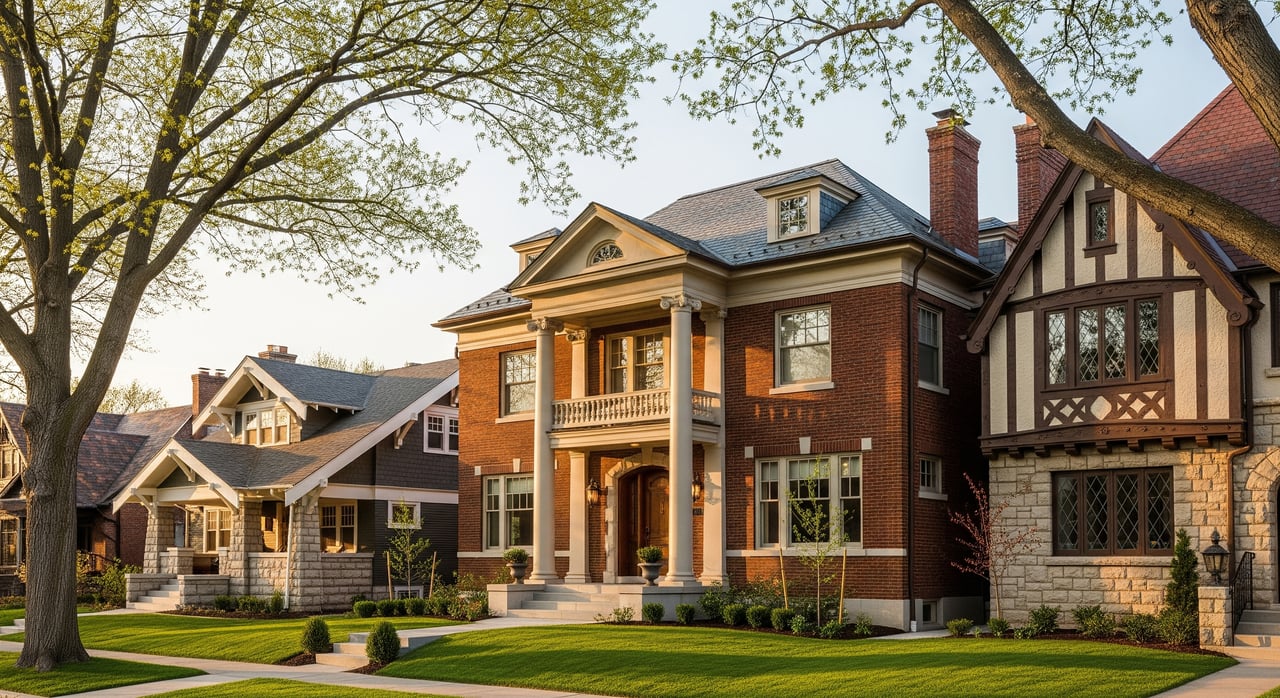
Tudor Revival
How to spot it
- Steep front-facing gables that may be asymmetrical.
- Decorative half-timbering over light stucco in the upper gables.
- Brick or stone on the first floor, plus tall narrow chimneys.
- Arched or recessed entries and small-paned casement or leaded windows.
Interiors you can expect
Rooms tend to be cozy and compartmentalized. Formal living rooms often include a fireplace and built-in bookcases. Finishes commonly include plaster walls, narrow hardwood flooring, and period moldings such as picture rails.
Smart updates and care
- Evaluate historic casement or leaded windows for repair, weatherstripping, or appropriate replacement that preserves the look while improving efficiency.
- Pay attention to rooflines, flashing, and the base of tall chimneys.
- Maintain stucco and half-timbering, and ensure proper drainage to prevent moisture problems.
- Plan mechanical and insulation upgrades that protect original plaster and trim.
- Repoint masonry where needed to keep water out and extend the life of the envelope.
Colonial Revival
How to spot it
- A symmetrical front with a centered door and balanced windows.
- A highlighted entry with a pediment or small portico supported by columns or pilasters.
- Double-hung sash windows, often with multi-pane patterns and shutters.
- Side-gabled or hipped roofs with brick or wood clapboard exteriors.
Interiors you can expect
Expect a central hall with rooms on each side, a formal dining room and living room, and classical trim. Hardwood floors and plaster walls are typical. Built-ins appear less often than in Craftsman homes but molding and wainscoting may stand out.
Smart updates and care
- Modernize the kitchen with care, especially at the rear of the home, to respect the formal front rooms and symmetry.
- Update wiring and plumbing while preserving trim and door casings.
- Restore double-hung sash and consider interior or exterior storm windows for performance.
- If finishing a basement, plan for waterproofing and moisture control.
Mediterranean and Spanish Revival
How to spot it
- Smooth stucco walls and low-pitched red clay tile roofs or tile-look alternatives.
- Arched entries and window openings, plus occasional wrought-iron accents.
- Simple ornamentation with a focus on massing, arches, and small courtyards or arcades.
Interiors you can expect
You may see arched interior openings and plaster walls, with tile floors in entries or kitchens. Moldings are simpler than Colonial or Tudor, and you might find built-in niches or decorative tile.
Smart updates and care
- Repair stucco with the right mix and detailing, and check flashing at roof-to-wall junctions.
- Evaluate tile roofs carefully. Authentic clay tile is heavy and requires sound framing.
- Manage moisture to prevent cracking from freeze-thaw cycles.
- Update kitchens and baths to modern standards while preserving plaster and tile features.
Denver Square
How to spot it
- A boxy two-story shape with a roughly square footprint.
- A hipped or pyramidal roof, often with a small center dormer.
- A full-width or inset front porch with substantial posts.
- Brick or wood siding with simple, clean lines.
Interiors you can expect
The classic four-room plan creates efficient flow on both levels. On the main floor, think living room, dining room, kitchen, and a parlor or den. Look for built-in dining buffets and entry storage, high ceilings, and practical stairs.
Smart updates and care
- Reconfigure for an open kitchen or plan a rear addition to improve circulation.
- Repair porches and foundations, including posts, floors, and sill plates.
- Upgrade HVAC and electrical systems; insulate with strategies that avoid damaging original finishes.
- Consider basement conversions for added living space when conditions allow.
Other styles you will see
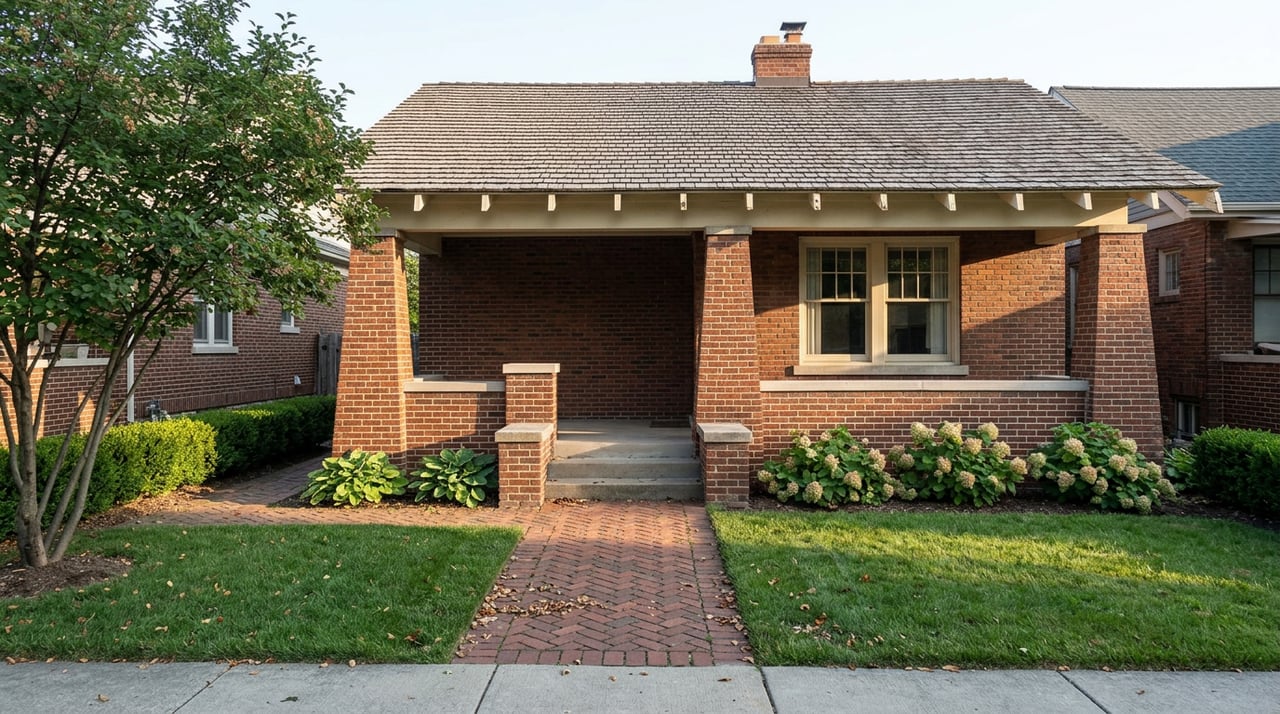
Park Hill also includes Craftsman and Bungalow homes with low-pitched roofs, exposed rafter tails, and tapered porch columns. You may notice Prairie-inspired elements like horizontal lines and grouped windows. Many homes show later alterations, from enclosed porches to new siding, which can be reversible if you plan a sensitive restoration.
Renovation and inspection tips
Common issues in early Denver homes
- Mechanical systems may include older wiring and plumbing that need updating.
- Original walls often have limited insulation. Start with air sealing and attic work for easy gains.
- Wood windows usually benefit from repair, including sills, glazing, and weatherstripping.
- Foundations can show settlement or moisture intrusion. Denver soils and seasonal freeze-thaw cycles are factors.
- Roofing and flashing at chimneys and dormers deserve careful inspection.
- Stucco and brick can need repair, including repointing with compatible mortar.
- For pre-1978 homes, plan for lead-safe practices. Some mid-century materials may contain asbestos.
Plan for permits and review
If your property sits in a local historic district or has landmark status, exterior changes may require design review and specific materials. Always check City of Denver Landmark Preservation early in your planning. Also review any neighborhood covenants or guidance that could shape your project.
Energy and comfort upgrades
- Focus on air sealing and attic insulation first for strong returns with minimal impact on historic details.
- Consider HVAC strategies that fit older construction. Mini-splits can add targeted comfort without major ductwork.
- Balance accessibility with character. A first-floor bath or wider doorways can improve daily living without sacrificing original features.
Quick buyer checklist
- Schedule a full home inspection that covers structure, roof, and mechanical systems.
- If applicable, verify whether the home is in a historic district and understand exterior review rules.
- Order specialist checks as needed, such as chimney, masonry, window condition, sewer scope, radon, and pest.
- Get contractor estimates for expected upgrades, including HVAC, electrical, plumbing, and insulation.
Glossary of common features
- Bay window: A projection that extends from a wall to add light and space.
- Casement window: A side-hinged window that swings outward.
- Cornice: The decorative molding at the top of a wall or roofline.
- Dormer: A roofed projection with a vertical window.
- Eave: The roof edge that overhangs the wall.
- Half-timbering: Decorative exposed wood framing with stucco infill.
- Lintel: The horizontal structural piece over a window or door.
- Molding or trim: The decorative woodwork around doors, windows, and ceilings.
- Plaster and lath: A historic wall finish applied over wood lath.
- Repointing: Repairing the mortar joints in brick or stone.
- Sash: The movable part of a window, typically in double-hung units.
- Transom: A horizontal window over a door.
- Wainscoting: Wood paneling on the lower portion of a wall.
Bringing it all together
Park Hill’s appeal comes from architecture that balances character with livability. When you know the style you are looking at, you can predict the floor plan, the finishes, and the care that keeps the home performing well. With a clear plan for inspections, permits, and smart upgrades, you can preserve what makes the house special while making it work for modern life.
If you want a tailored strategy for buying or selling in Park Hill, including off-market sourcing, curated marketing, and trusted vendor introductions, connect with Mckinze Casey. Request a Private Consultation and put a local, boutique team to work for you.
FAQs
What architectural styles are most common in Park Hill, Denver?
- Tudor Revival, Colonial Revival, Mediterranean or Spanish Revival, and Denver Square are widely represented, with additional Craftsman and Prairie-influenced homes also present.
How can I identify a Tudor Revival home in Park Hill from the street?
- Look for steep front gables, decorative half-timbering over stucco, tall narrow chimneys, arched entries, and small-paned casement or leaded windows.
Do Park Hill homes require special permits for exterior changes?
- Some homes fall within local or national historic districts, which may trigger design review and material standards, so check City of Denver Landmark Preservation before planning work.
What renovation priorities make sense for a Denver Square in Park Hill?
- Many owners open the kitchen or add a rear addition, repair porches and foundations, modernize HVAC and electrical, and consider basement conversions where conditions allow.
Are original windows in historic Park Hill homes worth restoring?
- Often yes, since repair, weatherstripping, and storms can boost efficiency while preserving character, but a window specialist should assess condition and options.