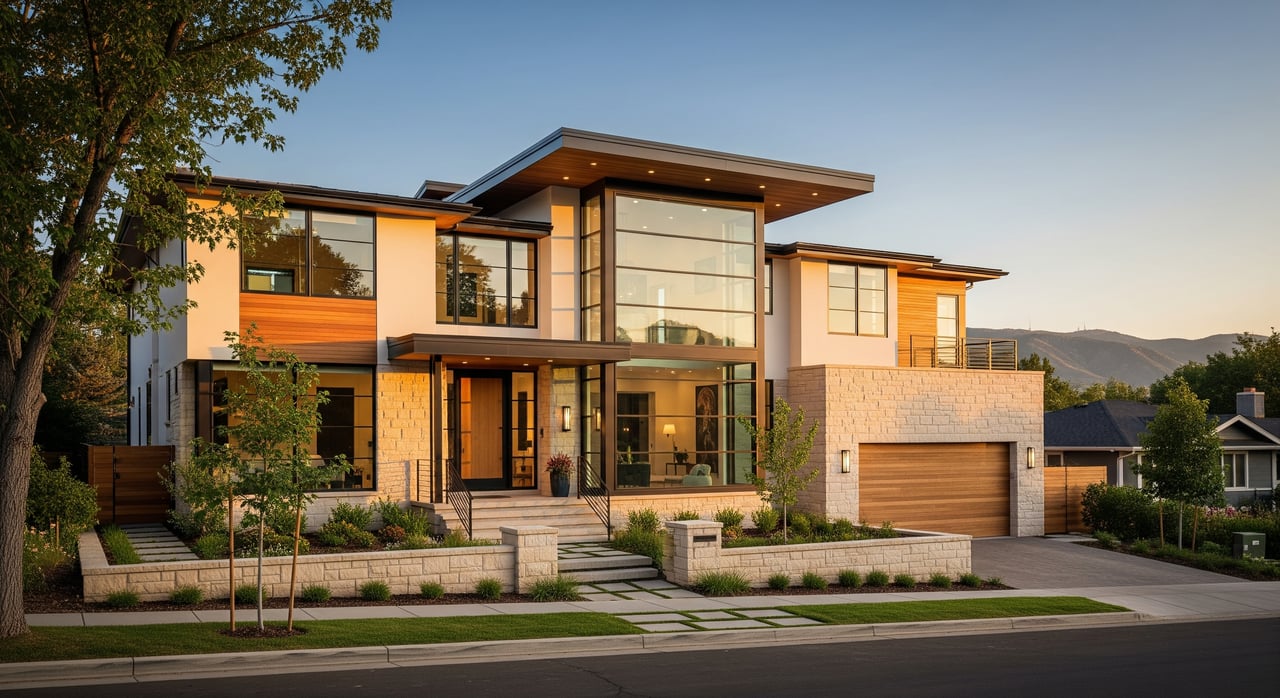
Hilltop New Construction Denver: Essential Buyer Basics
January 15, 2026
January 15, 2026
Eyeing a new build in Hilltop but not sure where to start? You are not alone. In a neighborhood known for mature trees and a mix of classic homes and contemporary infill, new construction comes with unique steps, timelines, and tradeoffs. This guide breaks down what to expect in Hilltop, from permits and timelines to inspections, finishes, and the questions to ask any builder before you sign. Let’s dive in.
Building new means starting from the ground up. You control the floor plan, systems, and materials with fewer hidden surprises once plans are set. A remodel keeps the existing structure and can be less expensive, but it often requires a larger contingency because of unknown conditions.
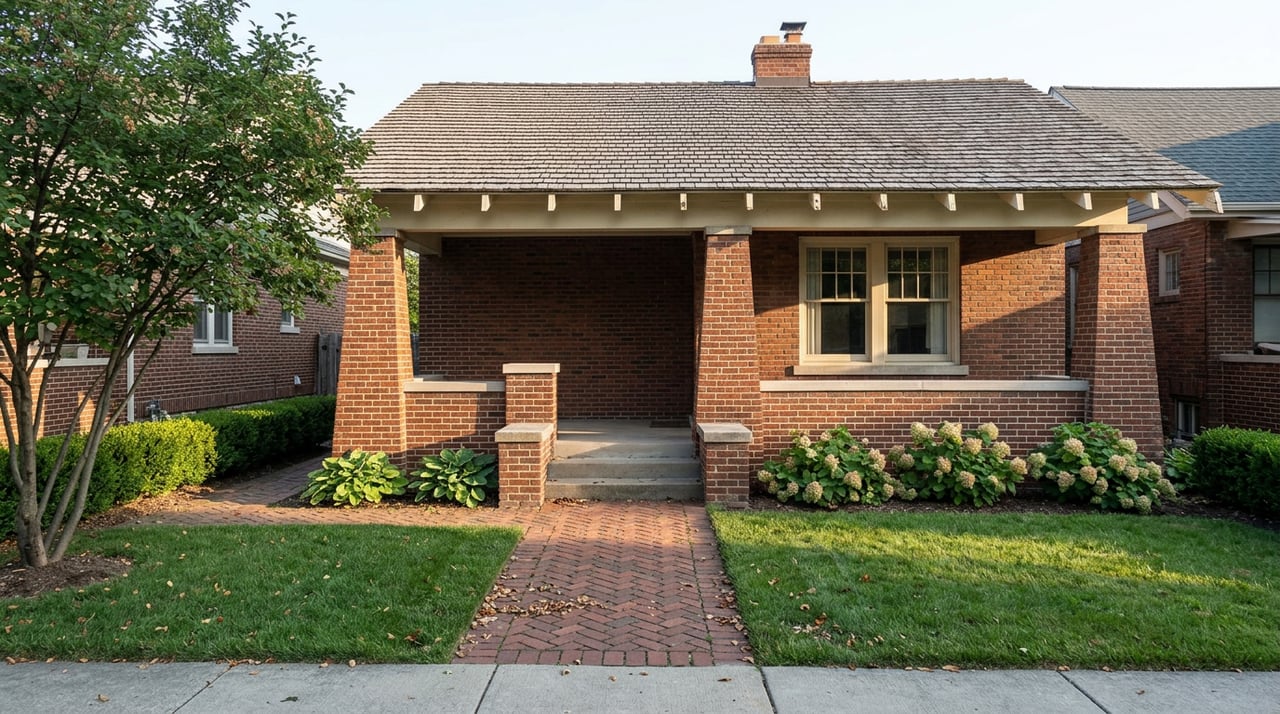
In Hilltop, a well-designed new home that respects neighborhood scale can attract strong buyer interest. Oversized or incongruent designs can face resistance. Compare the size, finishes, and exterior style of your proposed build to nearby sales so your investment aligns with local comps.
Hilltop is within Denver city limits, so your design will be governed by the Denver Zoning Code. Lot coverage, height, setbacks, and parking requirements vary by parcel. Side-yard setbacks on infill lots often set the footprint and massing, especially on narrower lots.
All new residential construction requires building permits and plan review through Denver Community Planning & Development. Plan review covers structural, mechanical, plumbing, electrical, and energy compliance. Expect multiple review cycles if plans need revisions. Timelines can vary depending on workload and plan completeness.
Energy codes and local amendments apply. Requirements for insulation levels, HVAC efficiency, mechanical ventilation, window performance, and possible EV-ready wiring can influence your specifications and budget. Confirm the current code version early because updates can change equipment choices.
Mature trees are part of Hilltop’s character. Work that affects street trees may require coordination with city forestry, and large yard trees can impact site layout, foundations, and drainage plans. You should also confirm utility connections, alley access for garages, and any easements that limit structure placement.
While Hilltop includes both historic and non-historic parcels, verify any landmark or overlay review and check for covenants before finalizing exterior design. Stormwater rules apply to new impervious area, and erosion control measures may be required during construction.
Your exact schedule will depend on the lot, design complexity, and permitting. Use the phases below as planning guidance.
Active construction after permits often runs 6 to 12 months. From purchase through move-in, many Hilltop buyers plan for 9 to 18 months total.
Also understand your contract structure. Fixed-price gives cost certainty for a defined scope, while cost-plus or a guaranteed maximum price offers flexibility with different risk allocation. Insist on clear allowances and change-order procedures in writing.
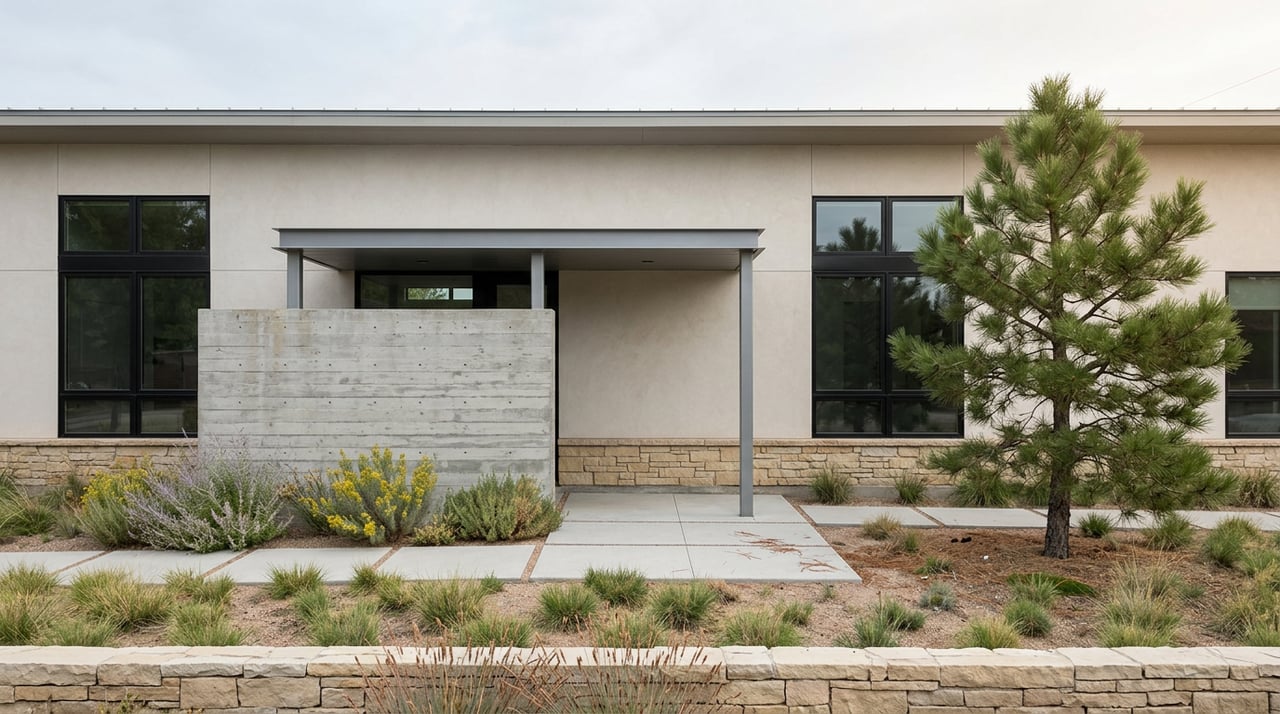
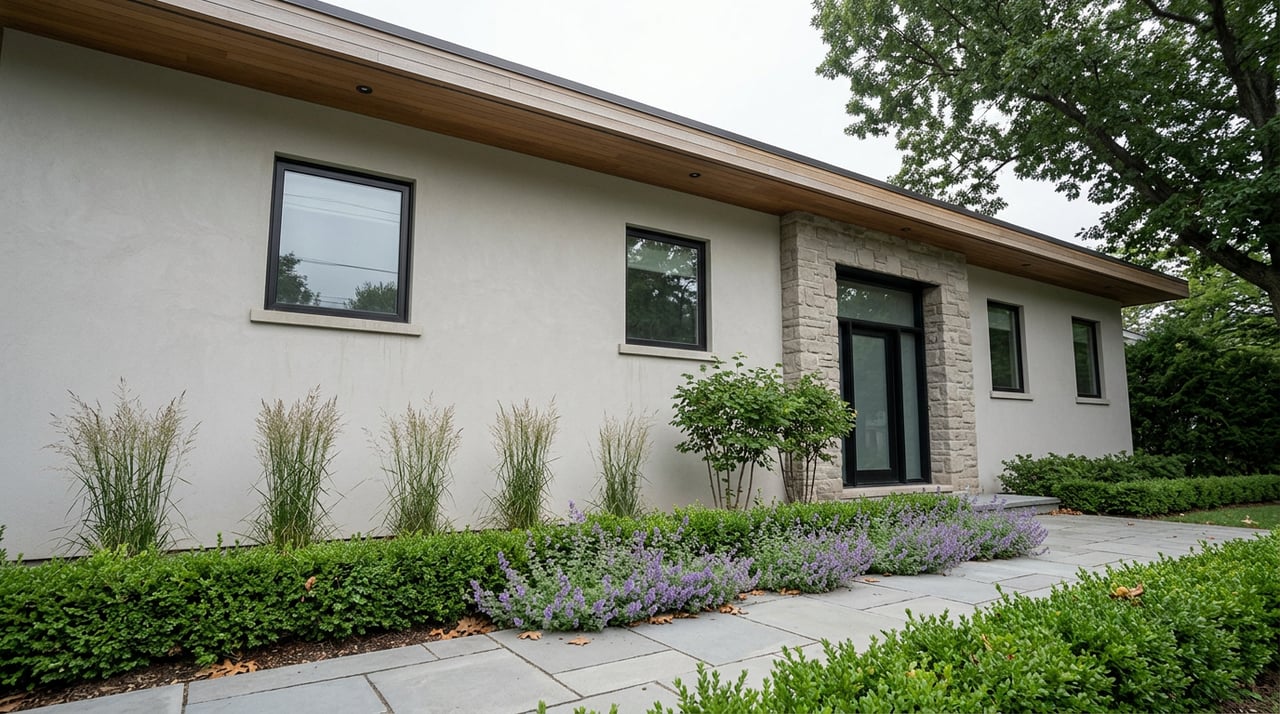
Architecturally, Hilltop infill often leans transitional or modern-traditional with open plans, larger kitchens, and generous glazing that still respects neighborhood scale. Interior finishes commonly include quartz countertops, soft-close cabinetry, engineered hardwood or wide-plank wood flooring, and mid to high-end fixtures. Energy-rated double-pane windows are typical, with larger openings for daylight.
Mechanical and energy features often include high-efficiency forced-air HVAC and code-required ventilation. Water heating can be tank or tankless, with high-efficiency units gaining traction. Insulation must meet or exceed code minimums, and some builders add continuous exterior insulation or enhanced air sealing. Smart-home prewiring and EV charging readiness are increasingly available.
For durability, you will see fiber cement, brick or stone veneer, and low-maintenance composites on exteriors. Many roofs use architectural asphalt shingles, with metal or upgraded materials in higher tiers. Colorado’s radon potential is elevated in many areas, so adding a passive or active radon system during construction is common and cost-effective.
New construction uses phased inspections instead of a single final look. Before dirt moves, confirm survey pins, setbacks, easements, demolition permits, and utility disconnects. At foundation, verify footing depth and reinforcement per engineering, drainage details, and waterproofing.
During framing, check framing sizes, anchors, bracing, fire blocking, and window flashing to prevent water issues. Rough-in checks confirm HVAC sizing, duct sealing, exterior venting for range hoods, plumbing slope and support, and electrical load calculations. Insulation and air barrier verification is critical before drywall.
Plan a pre-drywall walkthrough, ideally with an independent inspector, so hidden systems are right before they are covered. Final inspections confirm life-safety items like smoke and CO detectors, egress, and guardrails. Keep records of passed inspections in the City’s permit portal as part of your closing file.
Schedule risk is real. Permitting and supply-chain delays for items like windows and appliances can move completion dates. Your contract should spell out allowances for delays and resolution steps if timing is critical.
Cost overruns typically come from change orders or unforeseen site conditions. Lock in clear allowances, document every change in writing, and request transparent accounting. On design, confirm massing and lot coverage relative to neighbors to reduce permitting issues and protect future resale.
Urban infill sites can present drainage or soil challenges. A geotechnical report and engineered foundation are often advisable. Trees can affect site value and layout; understand permit and replacement requirements. Finally, expect your assessed value to change after completion, which can increase property taxes.
Use this shortlist to vet credibility, scope, and quality. Ask for written answers and documentation.
If you want a calm, end-to-end process that protects your time and budget, partner with an advisor who manages the details and keeps the build aligned with Hilltop norms. From due diligence and builder interviews to milestones and inspections, you deserve disciplined guidance and neighborhood-level insights. For a private plan tailored to your goals, connect with Mckinze Casey.

Ready to turn your homeownership dreams into reality? Fantastic! Drop us a line below—because making magic happen is more fun when we do it together. Let's chat about your home aspirations and turn them into a blockbuster story. Ready, set, type away!