Buying In Bonnie Brae Denver: Character Homes Explained
May 28, 2026
May 28, 2026
If you are drawn to Bonnie Brae, you are probably not looking for cookie-cutter housing. In this part of Denver, the appeal often starts with curved streets, distinctive architecture, and homes that feel truly individual. If you are thinking about buying in 80209, it helps to understand what “character home” really means here, how it affects value, and what details deserve extra due diligence before you write an offer. Let’s dive in.
Bonnie Brae was planned in the 1920s as a picturesque suburb rather than a standard city-grid neighborhood. Landscape architects S. R. DeBoer and Walter Pesman designed the area in 1923 with curving streets, a diagonal boulevard, and an elliptical central park to create a village-like feel.
For you as a buyer, that design shows up in practical ways. Lot frontage, yard shape, and the way homes sit on their lots can vary more than they do in a typical grid neighborhood. That means two homes with similar square footage may live very differently once you consider outdoor space, driveway layout, privacy, and future renovation options.
Bonnie Brae also has a small commercial spine along University Boulevard between Exposition and Ohio that adds to its village-scale character. That mix of residential charm and nearby neighborhood-serving businesses is part of what gives the area its lasting appeal.
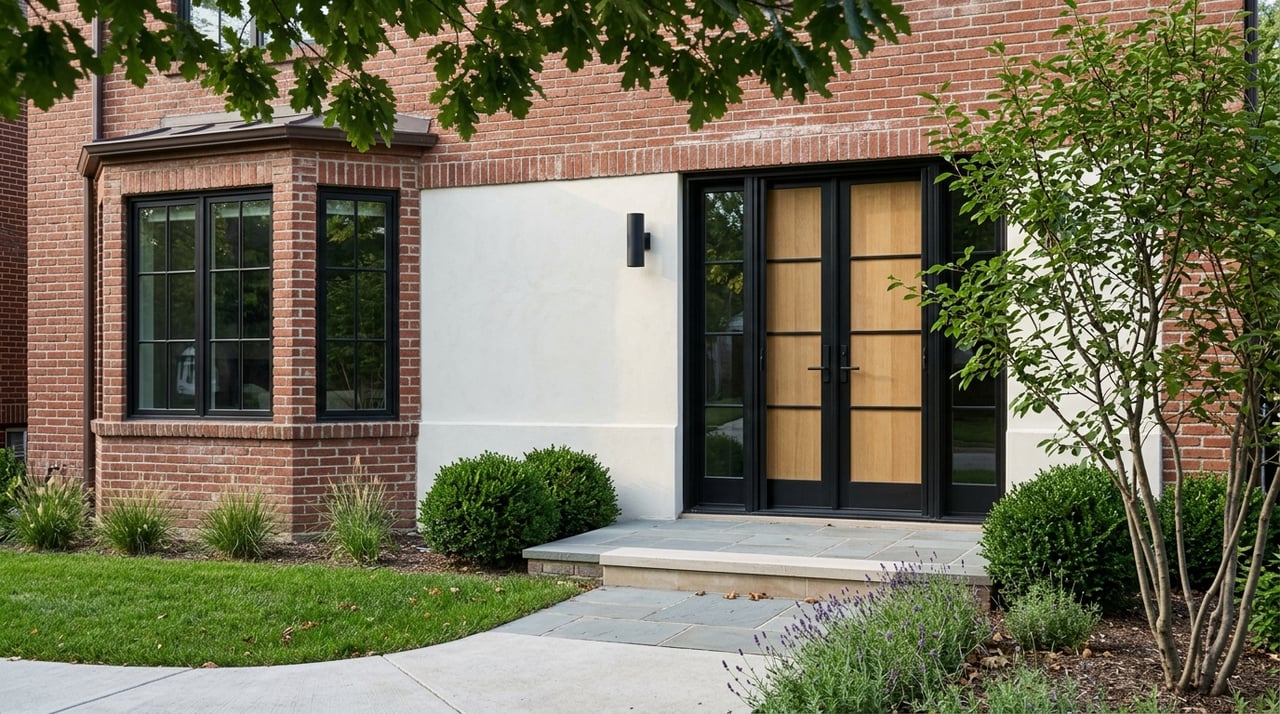
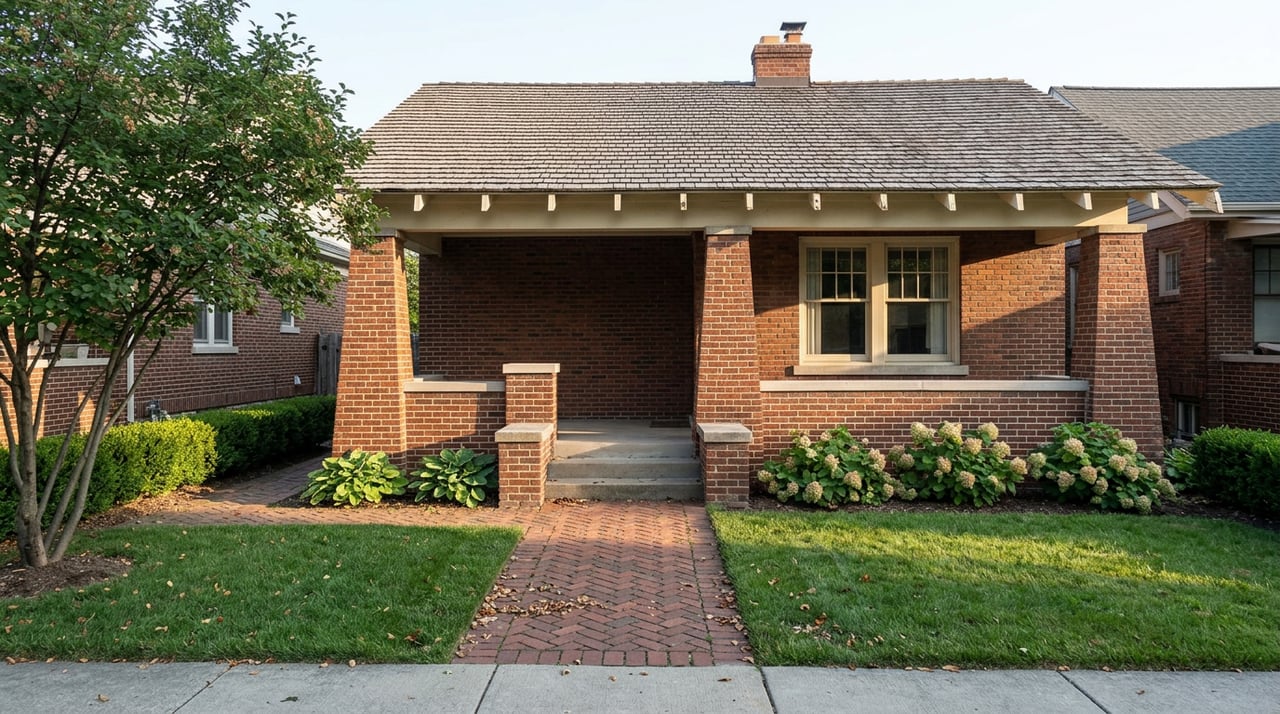
In Bonnie Brae, a character home is not one specific architectural style. The neighborhood is known for Tudor homes, but it also includes Spanish, Bauhaus, International, Postmodern, and post-war ranch brick homes, especially north of Bonnie Brae Boulevard.
Much of the neighborhood was built out by 1956, though development happened over time and not all homes have stayed in original form. Some older homes have been carefully preserved or updated, while others have been replaced by newer contemporary residences. As a result, the term “character” can mean different things from one block to the next.
For some buyers, character means original detailing and a strong connection to the home’s period. For others, it means a house that keeps its architectural identity while offering updated kitchens, baths, and systems. In Bonnie Brae, both can exist, but they should not be valued in exactly the same way.
Bonnie Brae is a premium micro-market within south-central Denver. Realtor.com’s April 2026 data reports a median listing price of $1,886,750, a median sold price of $1,675,000, an average of $586 per square foot, 9 active listings, and 37 median days on market.
That same data also notes that homes sold for an average of 4.29% below asking in March 2026, while Bonnie Brae still registered as a seller’s market. In plain terms, inventory remains limited, but buyers may still have room to negotiate when pricing, condition, or property-specific issues are not perfectly aligned.
In a neighborhood like this, value is rarely about size alone. A well-preserved Tudor, a thoughtfully updated original home, and a newer replacement home may each command different pricing even when their bedroom count or square footage appears similar.
That is because buyers in Bonnie Brae are often paying for a combination of factors, including:
This is one reason generic neighborhood comps can miss the mark. In Bonnie Brae, the most useful comparison set is often highly specific to the property’s style, block, lot configuration, and level of renovation.
The neighborhood’s curving layout creates charm, but it also creates variation. A lot on a bend, a pie-shaped parcel, or a home with unusual siting may offer beautiful curb appeal while also changing how outdoor space functions.
That matters if you are thinking ahead to an addition, garage project, patio redesign, or simply how you want the yard to live day to day. In Bonnie Brae, lot geometry can shape future options almost as much as the house itself.
If you are relocating or buying on a tight timeline, this is easy to overlook. A home can feel perfect in photos and still have site constraints that only become clear after reviewing the address in more detail.
One of the biggest misconceptions buyers make in character neighborhoods is assuming every older home follows the same renovation rules. In Denver, Landmark Preservation review is address-specific.
The City and County of Denver reviews exterior work, development, and demolition on locally designated landmarks and properties within historic districts. That review can apply to new construction, additions, exterior changes, and other work, and approved projects receive a Certificate of Appropriateness.
For you, the key takeaway is simple: do not assume. Before you get attached to a remodel plan, verify whether the property is individually landmarked or located within a historic district.
Denver’s property map can also help confirm additional layers that may affect your plans, including zoning, subdivision plats, parkways, and floodplain review. That kind of address-level verification is especially important in Bonnie Brae, where homes and lots vary significantly.
If a home fronts Bonnie Brae Boulevard, there is another layer to review. Denver identifies Bonnie Brae Boulevard as a designated parkway segment, and the city’s parkway policy lists a 20-foot building-line setback on both sides.
That matters because the setback can affect what is feasible on the site. Additions, garages, patios, porches, fences, and driveway concepts should all be evaluated against the building line before you remove contingencies.
Not every home in Bonnie Brae is affected in the same way, but homes on the boulevard deserve extra attention. The boulevard is part of the neighborhood’s beauty, yet it can also shape what you can and cannot do with the property.
Drainage is another smart due diligence item in Bonnie Brae. Denver’s Department of Transportation and Infrastructure archive notes that the Exposition and Fillmore Storm Drain project was built to reduce localized flooding problems because significant stormwater had been flowing on neighborhood streets before entering the existing system.
That does not mean every house has a drainage issue. It does mean you should ask good questions about grading, basement moisture, sump systems, and any prior mitigation work, especially when you are considering an older home or lower-level living space.
In a character neighborhood, buyers often focus on charm first. It is just as important to understand the site conditions and infrastructure that affect day-to-day ownership.
In a low-inventory neighborhood, it is tempting to move fast and sort out the details later. In Bonnie Brae, the better approach is usually to pair a clean, credible offer with strong property-level verification.
That means looking beyond the asking price and considering the full picture before you commit. The right strategy is often less about bidding aggressively and more about understanding what you are actually buying.
Before writing or finalizing an offer, focus on these areas:
This type of diligence matters even when the market favors sellers. A March 2026 sale-to-list ratio near 96% suggests there may be room for negotiation, but that leverage comes from understanding the property better, not from treating the neighborhood as one uniform market.
If you are deciding whether Bonnie Brae is the right fit, start by getting clear on what matters most to you. Some buyers want architectural authenticity. Others want an updated home with lower near-term project risk. Some care most about boulevard presence, while others prefer quieter interior blocks.
The best purchase is usually the one that aligns with your priorities and your tolerance for future work. In Bonnie Brae, that balance often matters more than chasing the biggest house or the newest finishes.
A character home can be a great long-term choice, but only when you understand how charm, renovation quality, site constraints, and location within the neighborhood come together. That is where local, block-by-block guidance can make a meaningful difference.
If you are considering a purchase in Bonnie Brae, working with an advisor who understands Denver’s micro-neighborhoods can help you evaluate not just the home’s appeal, but also its tradeoffs, future flexibility, and place within the broader 80209 market. When you are ready for a tailored strategy, Mckinze Casey can help you navigate Bonnie Brae with clarity and confidence.

Ready to turn your homeownership dreams into reality? Fantastic! Drop us a line below—because making magic happen is more fun when we do it together. Let's chat about your home aspirations and turn them into a blockbuster story. Ready, set, type away!