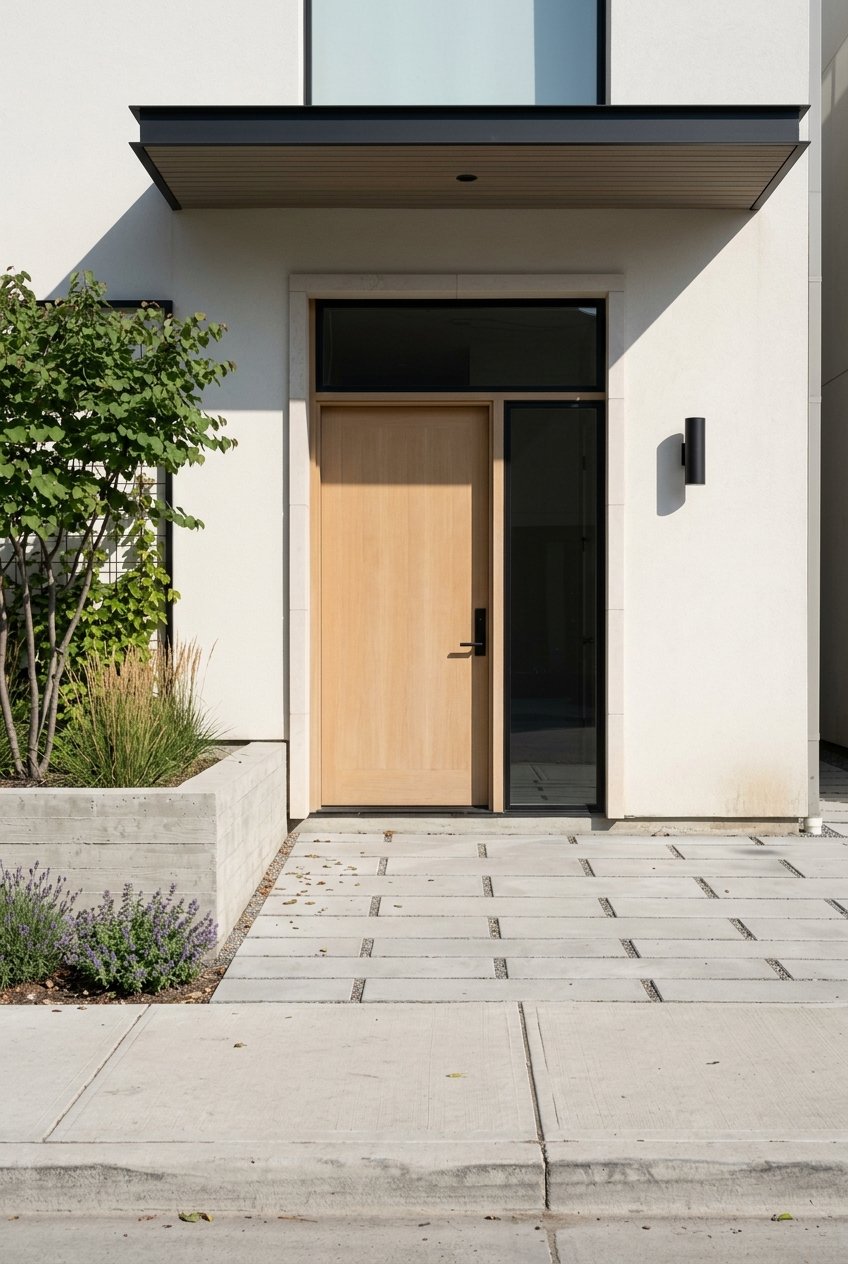
Congress Park vs Cherry Creek: Which East Denver Fits?
May 7, 2026
May 7, 2026
Trying to choose between Congress Park and Cherry Creek? You are not alone. Both offer an urban East Denver lifestyle, but they live very differently day to day. If you are weighing character, convenience, price point, and how you want your home to feel, this guide will help you compare the two with more clarity. Let’s dive in.
If you want the shortest possible answer, it is this: Congress Park feels more residential and historic, while Cherry Creek feels more amenity-rich and mixed-use. That difference shapes everything from the homes you will see to how you spend a typical weekend.
Congress Park sits within Denver’s East Central planning area and remains overwhelmingly residential in its built form. Historic Denver’s survey found 2,409 parcels in the area, with blocks lined mainly by single-unit homes, plus a meaningful number of multi-unit buildings and commercial edges along Colfax and Colorado Boulevard.
Cherry Creek, by contrast, is built around a stronger retail and dining identity. Local tourism and district sources describe it as a mixed-use area anchored by Cherry Creek North and Cherry Creek Shopping Center, with hundreds of stores, dining options, services, and a pedestrian-focused environment.
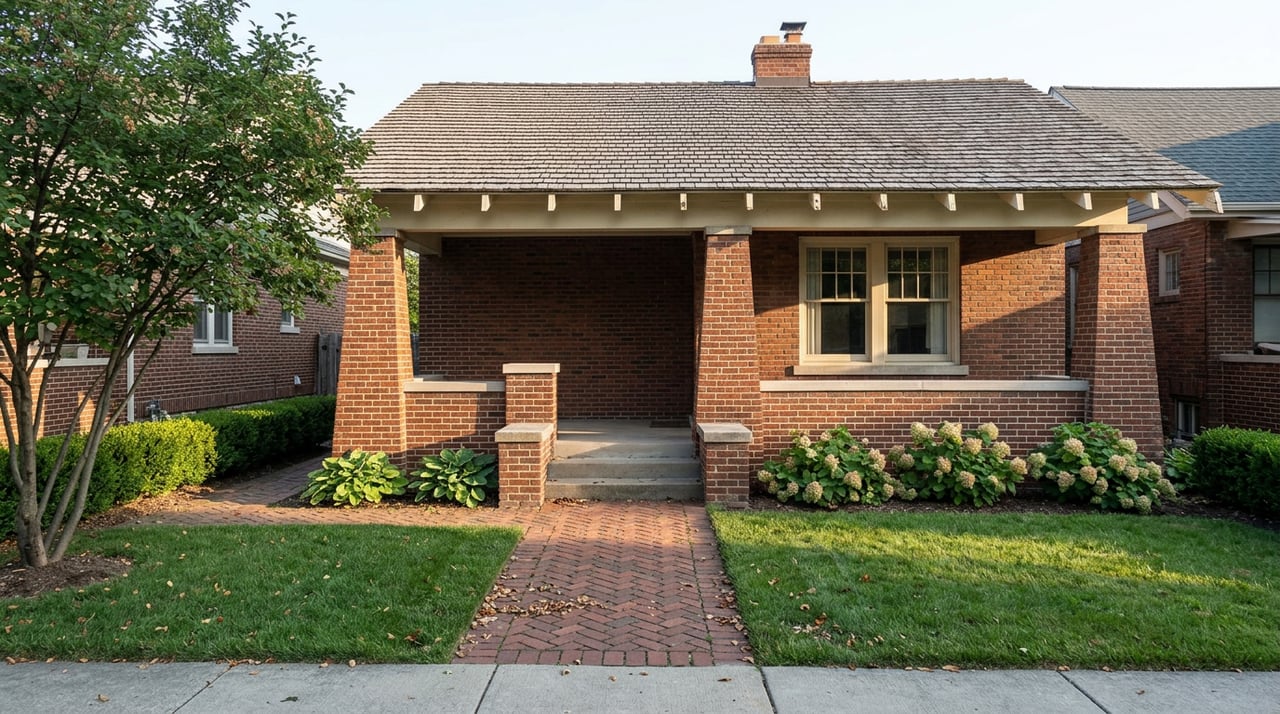
Congress Park tends to appeal to buyers who want neighborhood texture and a more classic residential rhythm. Much of the area developed between 1900 and 1929, and the housing stock still reflects that era through bungalows, Foursquares, duplexes, and small apartment buildings.
Historic Denver notes that nearly 1,000 bungalows were built in Congress Park between 1906 and 1929. That gives many blocks a consistent, established look that buyers often notice right away.
You will also find commercial activity, but it is more edge-based and neighborhood-scaled. Colfax and parts of 12th Avenue support day-to-day convenience, dining, and local businesses without shifting the overall feel away from residential living.
The East Seventh Avenue Historic District adds another layer to the Congress Park conversation. Denver designated the district in 1993, and the East Seventh Avenue Historic District - Steele Street Extension was designated in 2021.
In practical terms, this corridor is part of a preservation-focused residential setting. The historic district helps reinforce a sense of continuity in the streetscape, especially for buyers who value architecture, mature blocks, and a stronger connection to Denver’s earlier development pattern.
That does not mean every home is the same style or era. The broader survey notes Victorian, early Modern, and mid-century layers, which means the area offers variety within a largely historic context.
Cherry Creek offers a different kind of urban experience. If Congress Park is residential-first, Cherry Creek is destination-first.
The neighborhood is known for its concentration of shops, restaurants, spas, salons, hotels, and services. Visit Denver reports that Cherry Creek North and Cherry Creek Shopping Center together offer more than 300 stores, 75 cafes and restaurants, 50 spas and salons, and five hotels.
That amenity density matters if you want a lock-and-leave lifestyle or prefer having daily conveniences close at hand. For some buyers, being able to walk to dining, retail, and services is the main reason Cherry Creek rises to the top.
At the same time, the lifestyle comes with a busier pattern of movement. Cherry Creek functions as both a neighborhood and a citywide destination, so it tends to feel more active and parking-sensitive than Congress Park.
One of the biggest differences between these areas is the housing stock itself. In Congress Park, the dominant identity is still rooted in older residential forms.
You will see many detached homes, especially bungalows and Foursquares, along with Craftsman duplexes and small apartment blocks. Historic Denver also notes that after World War II, relatively few new single-unit homes were added, while many later additions were multi-unit buildings and apartment blocks.
Cherry Creek has a more mixed building profile and a more upscale market position. Current sales include condos, attached units, and detached homes, which gives buyers a wider spread of lock-and-leave and luxury options.
If your search starts with architecture and block character, Congress Park may feel more cohesive. If it starts with convenience, newer luxury formats, or lower-maintenance living, Cherry Creek may offer more of what you want.
Price is often where the decision becomes more concrete. Based on the current market figures in the research provided, Congress Park has a median sale price of $861,000, while Cherry Creek sits at $1.205 million.
That puts Cherry Creek about $344,000 higher, or roughly 40% more expensive, at the median. For buyers comparing monthly cost, down payment, or renovation budget, that gap can be a major deciding factor.
It is also worth noting that both neighborhoods include a range of housing types and price points. In Congress Park, recent sales ranged from a $240,000 condo to a $1.465 million single-family home, while Cherry Creek recent sales also span from lower-priced units to homes above $2 million.
Both neighborhoods perform well by Denver standards if walkability matters to you. Walk Score rates Congress Park at 83 for walk, 49 for transit, and 89 for bike, while Cherry Creek scores 81 for walk, 45 for transit, and 82 for bike.
That means the difference is not dramatic, but Congress Park has a slight edge on walk and bike scores. For buyers who like to move through the neighborhood by foot or bike, that may support the residential appeal.
Congress Park’s location also puts you about three miles west of downtown, according to 5280. The neighborhood includes bus stops, bike lanes along East Seventh Avenue Parkway and 12th Avenue, and commercial edges that help support daily errands without requiring a long drive.
Cherry Creek also offers strong access, including the Cherry Creek Bike Path connection to downtown and beyond. But the area’s transportation patterns are shaped by its popularity as a retail and dining destination, which can make the experience feel more active and more dependent on parking management.
This is one of those quality-of-life details that can affect your decision more than you expect. In Congress Park and along the 7th Avenue corridor, Denver has implemented curbside tools like paid parking, 30-minute flex zones, bike corrals, and resident permit parking.
That tells you something useful: demand is real, especially in the more active corridors. Even in a residential neighborhood, parking can still be part of the daily equation.
Cherry Creek faces similar issues, but for different reasons. Its curbside planning is more directly shaped by business activity, customer turnover, deliveries, and residential parking needs near a major destination district.
If you want a quieter street rhythm, Congress Park generally aligns better with that goal. If you are comfortable trading some of that for denser amenities, Cherry Creek may still be the better fit.
The best choice depends less on which neighborhood is "better" and more on how you want your week to work. Both neighborhoods are attractive, walkable, and well located, but they serve different priorities.
Congress Park may be the stronger fit if you want:
Cherry Creek may be the stronger fit if you want:
Ask yourself what you want outside your front door. If the answer is tree-lined residential blocks, historic character, and a quieter daily pace, Congress Park and the 7th Avenue area likely deserve a close look.
If the answer is shopping, restaurants, services, and an urban lifestyle centered on convenience, Cherry Creek may feel more aligned from day one. Neither choice is one-size-fits-all, which is exactly why neighborhood-level guidance matters.
When you are deciding between two strong options, the details usually make the difference. If you want help comparing block-by-block fit, pricing strategy, or available opportunities in Congress Park, the 7th Avenue Historic District, or Cherry Creek, connect with Mckinze Casey for a private consultation.

Ready to turn your homeownership dreams into reality? Fantastic! Drop us a line below—because making magic happen is more fun when we do it together. Let's chat about your home aspirations and turn them into a blockbuster story. Ready, set, type away!