Historic Homes in Park Hill Denver: Costs and Care
March 24, 2026
March 24, 2026
If you love Park Hill’s tree-lined streets and character homes, you already know the charm is real. What can be less clear are the true costs, the right way to care for original details, and how preservation rules work when you want to renovate or sell. In this guide, you’ll learn what to expect with foundations and roofs, how permits and incentives fit together, and what drives long-term value in Park Hill. Let’s dive in.
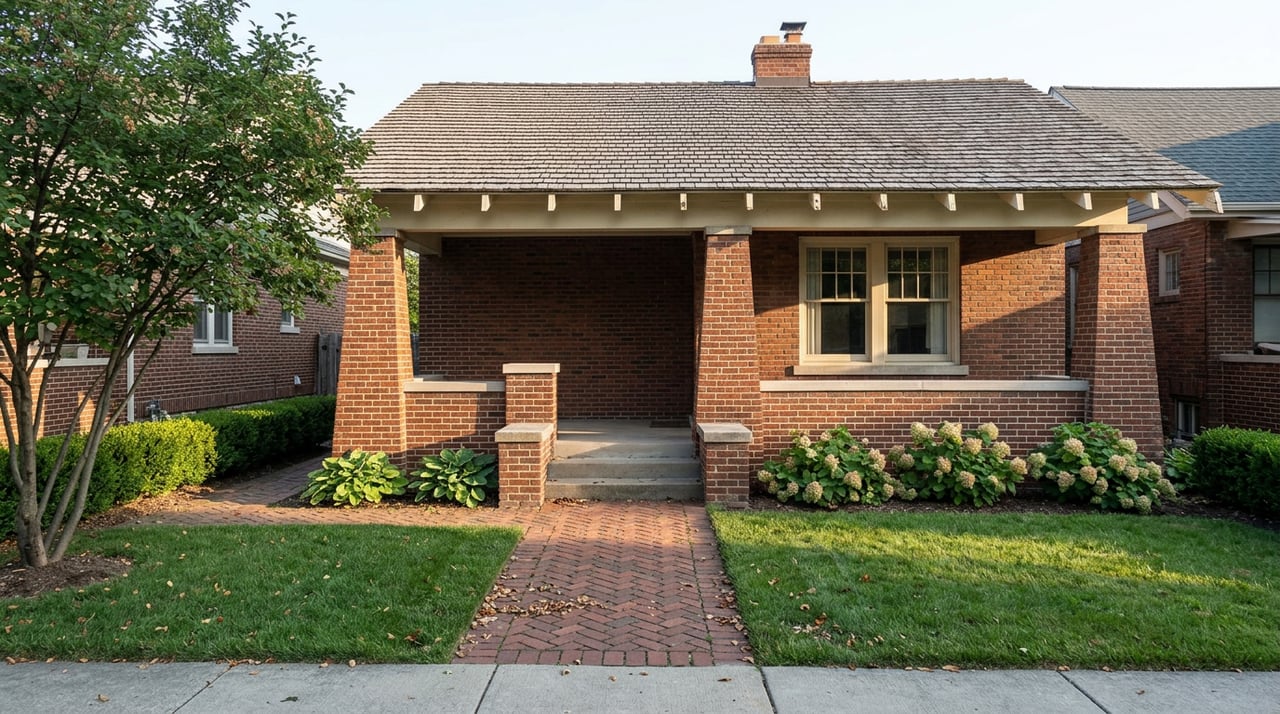
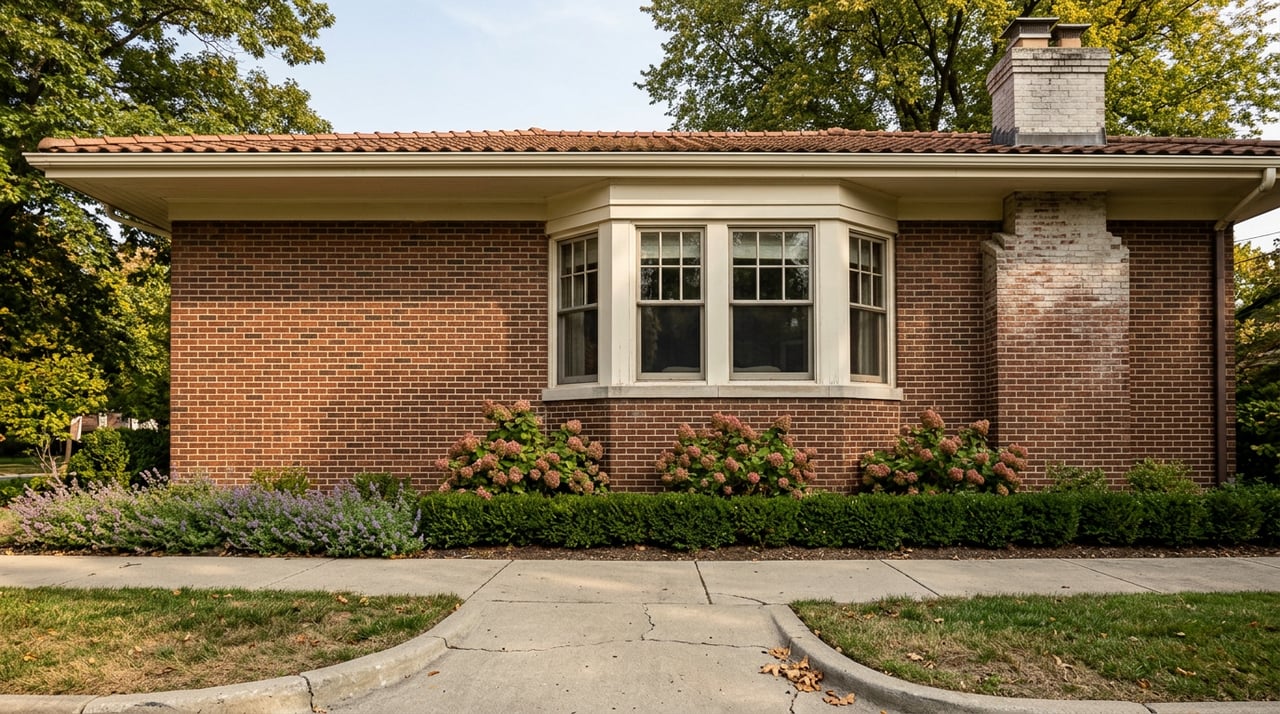
Park Hill’s core includes a National Register historic district that recognizes the neighborhood’s architectural mix and development history from the late 1800s through the mid‑20th century. The nomination highlights Bungalow and Craftsman homes, American Foursquare or Denver Square, Tudor Revival, Colonial Revival, Dutch Colonial, and late‑Victorian forms as representative styles. You can review the official listing for historic context and boundaries in the National Register district documentation.
Local preservation groups echo this blend of styles and time periods, which shape common maintenance priorities like brickwork, porches, original windows, and period roof materials. For a neighborhood-level perspective, explore the Historic Park Hill organization’s overview.
National Register listing is primarily honorary and does not by itself restrict what you can do to your home’s exterior unless federal money or permits are involved. It can, however, open the door to the 20 percent federal rehabilitation tax credit for certified, income‑producing projects that meet the Secretary of the Interior’s Standards. You can learn the basics in the National Park Service tax credit guide.
By contrast, local designation in Denver triggers Landmark design review. If your property is a locally designated landmark or lies within a locally designated historic district, exterior work that needs a building or zoning permit will require a Certificate of Appropriateness before permits are issued. Start early with Denver Landmark staff and review the Landmark design review process if you are planning a porch project, roof change, window work, addition, ADU, or new garage.
Historic Park Hill homes are often 70 to 130 years old. That age profile creates a predictable set of maintenance and upgrade items.
Denver and the Front Range are known for shrink–swell clay soils that can move foundations. Watch for stepped or horizontal cracks, sticking doors or windows, sloping or heaved floors, or new plaster cracks. The Colorado Geological Survey outlines this hazard and why moisture management is essential.
Budget signals: minor drainage or waterproofing fixes can cost a few thousand dollars. Typical Denver foundation repair ranges for minor to moderate jobs run from the low thousands to the mid‑five figures, depending on scope. Major underpinning or full pier systems can exceed that and should be engineered; see contractor cost summaries for context like this foundation repair range overview.
Many Park Hill homes retain original roof forms and sometimes original materials such as slate, tile, or wood. Roof condition is one of the most visible and negotiated items in a sale. For planning, smaller asphalt shingle replacements commonly fall in the low‑to‑mid five figures in Denver, while premium materials like natural slate or clay tile can cost several times more, especially if structural work is needed. For current cost benchmarks, review a roof replacement cost summary. If your home is locally designated, confirm whether roof work will require a Certificate of Appropriateness.
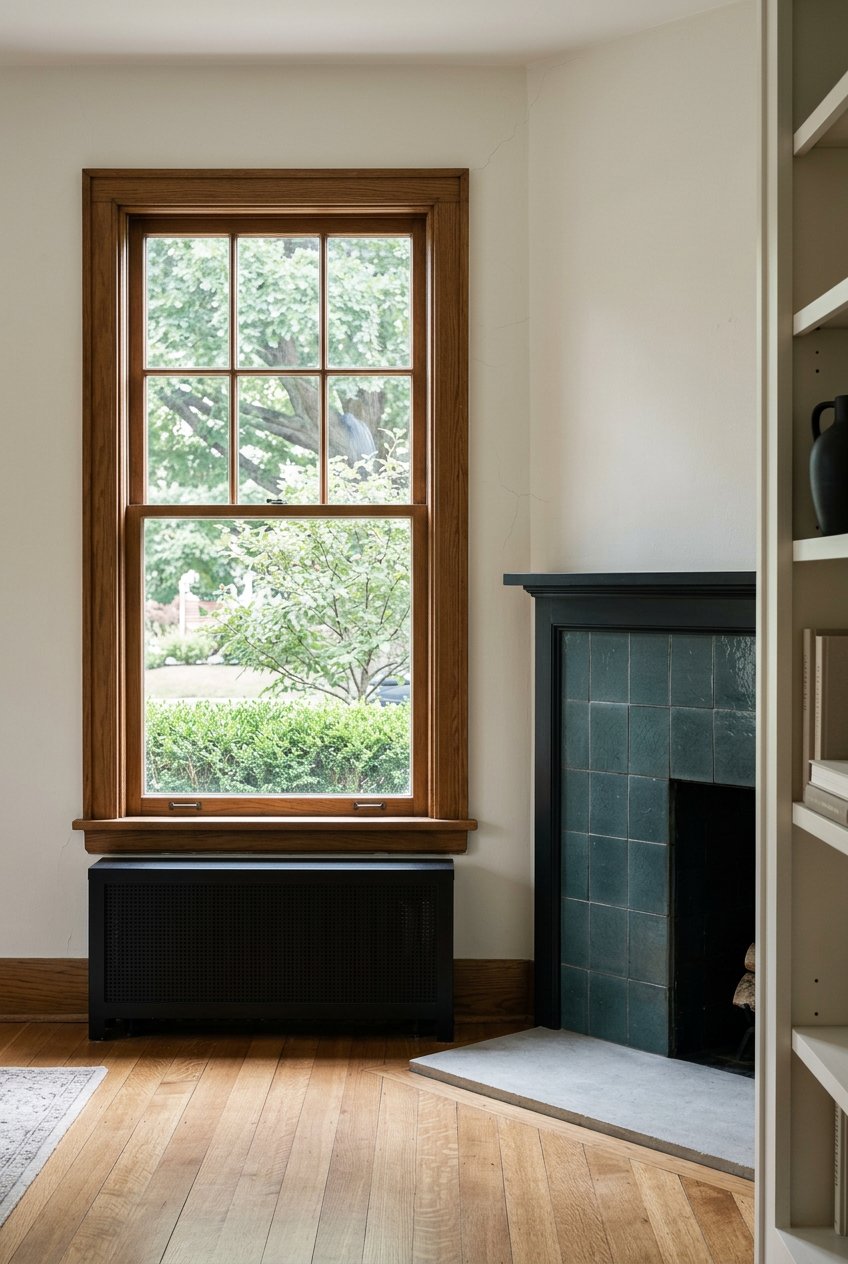
Preservation guidance generally favors repair and weatherize first for original wood sash. Reglazing, weatherstripping, and adding interior or exterior storm windows can deliver energy performance similar to replacements while preserving character. The National Park Service details these strategies in its window weatherization guidance. Replacement can be appropriate when frames are failing, but in locally designated areas it may trigger design review.
Older wiring such as knob‑and‑tube, cloth insulation, and undersized fuse panels still show up in early Park Hill homes. Many insurers either decline coverage or require upgrades when obsolete wiring remains, so confirm underwriting before closing and plan for service and panel upgrades or rewiring if needed. Typical rewires or partial rewires with service upgrades can range from several thousand dollars to the low five figures, depending on access and scope.
Galvanized water lines, aging boilers, and cast‑iron drains are also common. You may face targeted repairs, a boiler replacement, or whole-house repiping in some cases. Denver has an ongoing lead service line replacement effort, so buyers increasingly ask for the material and status of the home’s service line. If you plan updates, gather documentation and coordinate timing to minimize disruption.
Most pre‑1978 homes may contain lead-based paint on interior and exterior surfaces. Renovations that disturb paint require compliance with EPA Renovation, Repair and Painting rules, and lead testing is common during inspections.
Asbestos can be present in older floor tile and mastics, some roofing, and pipe insulation. Test before demolition or major remodels, and use qualified abatement contractors if needed.
Denver and much of Colorado have high radon potential. Routine testing is standard, and mitigation is straightforward if levels exceed the EPA action threshold. Systems like sub‑slab depressurization often cost in the low‑to‑mid thousands. For testing and program details, see the Colorado Department of Public Health and Environment radon resource.
Insurers price risk based on system age and condition. Older roofs, obsolete electrical, and aging heating systems can lead to higher premiums or underwriting conditions. If you are selling, document system upgrades, roof condition, radon testing and mitigation, and any foundation or drainage work.
Buyers in Park Hill often value original character paired with safe, modern mechanicals. Pre‑listing repairs that help your market position include stopping active leaks, addressing obvious drainage or foundation issues, upgrading panels and grounding, and keeping receipts for radon and lead testing or mitigation. If your property is locally designated, organize your past COAs and permits so buyers can confirm compliant work.
For income‑producing historic properties, the federal Historic Rehabilitation Tax Credit can cover 20 percent of qualified rehabilitation expenses if the work is certified. Review the NPS tax credit basics and consult a tax advisor early to confirm eligibility and timing.
Colorado also offers state preservation income tax credits for eligible projects, with requirements that can tie to design review. Rules and thresholds change, so check Denver’s overview of state historic preservation income tax credits and coordinate with Denver Landmark staff before you finalize plans. Many programs require pre‑approval.
Park Hill’s value proposition is durable. The neighborhood’s architecture, mature streetscapes, and proximity to major amenities like City Park continue to attract buyers. Market aggregators show median sale prices in the mid‑six‑hundreds of thousands, with variation by sub‑area and house type. Public planning around parks and open space in Denver can also influence demand over time, which is helpful context when you evaluate long‑term value.
If you are balancing period character with performance, focus on the big three first: foundations and drainage, roofs and water management, and safe electrical and mechanical systems. Pair that with thoughtful preservation of original features and clear documentation. That approach tends to hold value and keeps options open when you are ready to sell.
Ready to plan your next step in Park Hill? For curated vendor introductions, smart sequencing, and polished seller marketing or buyer representation, connect with Mckinze Casey. You will get a calm, concierge approach backed by deep neighborhood expertise and a proven process.

Ready to turn your homeownership dreams into reality? Fantastic! Drop us a line below—because making magic happen is more fun when we do it together. Let's chat about your home aspirations and turn them into a blockbuster story. Ready, set, type away!