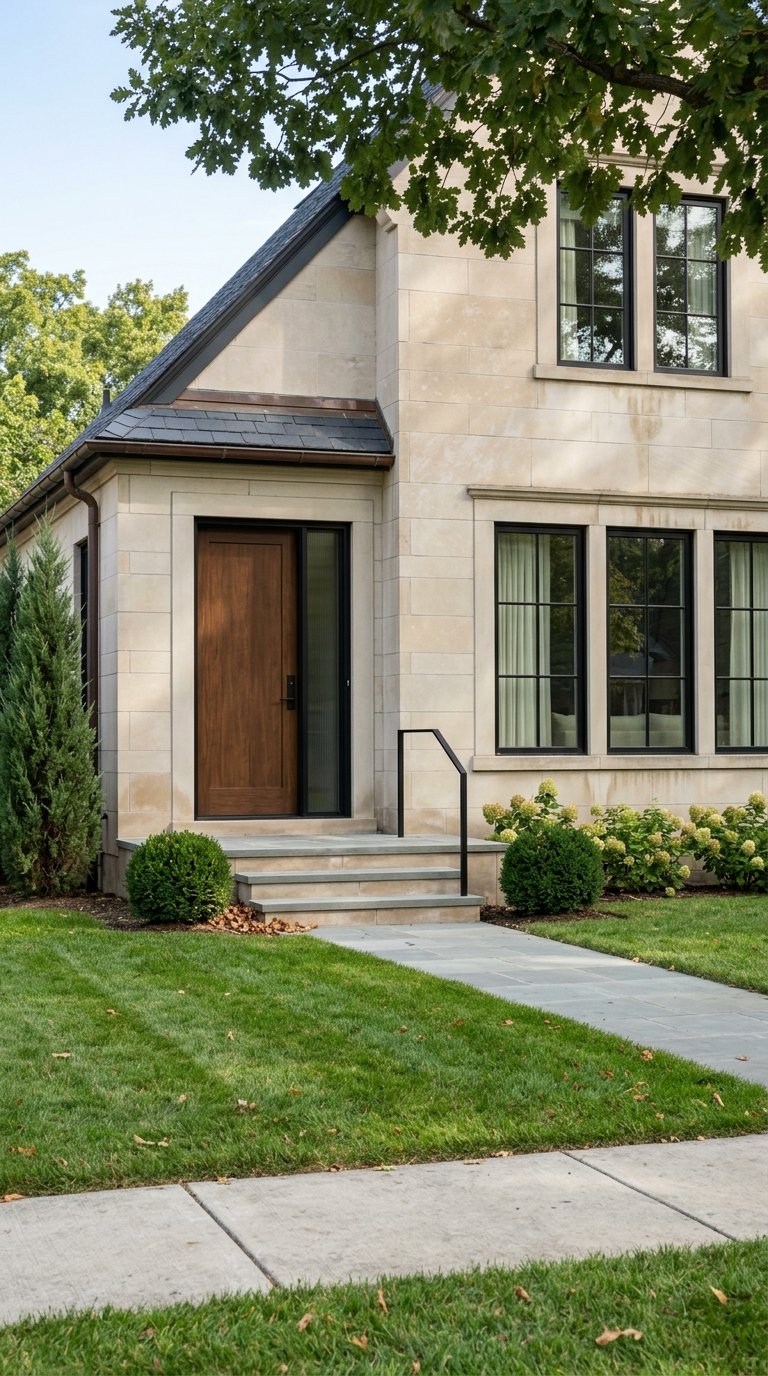
Buying a Historic Home in Denver’s Country Club
April 23, 2026
April 23, 2026
Buying a historic home in Denver’s Country Club neighborhood can be exciting, but it comes with a different set of rules than a typical home purchase. If you are drawn to the architecture, scale, and legacy of the area, you also need to understand what ownership may require after closing. This guide will help you navigate preservation rules, renovation limits, inspection priorities, and negotiation strategy so you can buy with more clarity and less guesswork. Let’s dive in.
Country Club is not simply an older Denver neighborhood. It is a designated local historic district, listed by the City and County of Denver as Landmark District D-18, with a period of significance from 1902 to 1945. According to Denver’s historic district list, the district includes roughly 380 residences and reflects early 20th-century planning and architecture.
That designation matters because your purchase is shaped not only by the house itself, but also by the preservation standards tied to the district. Denver’s Country Club Historic District design guidelines place strong emphasis on preserving open space, broad lawns, mature street trees, and the neighborhood’s distinctive streetscape patterns.
If you are buying in Country Club, think of the home as both a residence and a property within a regulated historic setting. Exterior changes are not handled the same way they would be in a non-historic neighborhood. In many cases, review by Landmark Preservation is part of the process before permits are issued.
Denver states that a certificate of appropriateness is required for exterior work in a historic district or on a designated landmark before building or zoning permits are granted. That includes many of the changes luxury buyers often consider soon after purchase.
In Country Club, review may apply to:
This does not mean you cannot improve a property. It means your plans should be evaluated early, especially if renovation is part of your buying decision.
One of the biggest mistakes buyers make in historic neighborhoods is assuming they can update the exterior later without much friction. In Country Club, the district-specific guidelines are detailed, and they influence what is likely to be approved.
For example, additions are generally preferred at the rear or side of the house so they are less visible from the street. Garages are expected to remain subordinate to the main home and are typically more appropriate when rear-sited or detached. The guidelines also discourage tall front-yard fencing, noting that front-yard fences over 40 inches are considered inappropriate in the district.
Older windows and doors are often part of a home’s historic character, which makes them a common point of review. Denver’s window and door replacement guidance strongly encourages retention of historic character windows and front doors and generally does not allow vinyl windows or doors in historic districts.
If a home needs window work, that can affect both cost and timeline. It is wise to treat the condition of original windows and doors as a meaningful diligence item before you finalize your offer strategy.
If your goal is to add square footage, review that possibility before you buy. Denver’s design review process applies to large additions, pop-tops, visible rooftop additions, and new construction, and Country Club’s district guidelines favor additions that are set back and less visible from public view.
In practical terms, that means a house with “future expansion potential” may not offer the same flexibility you would expect elsewhere. Buyers should evaluate not just lot size, but also how preservation standards may shape what can realistically be done.
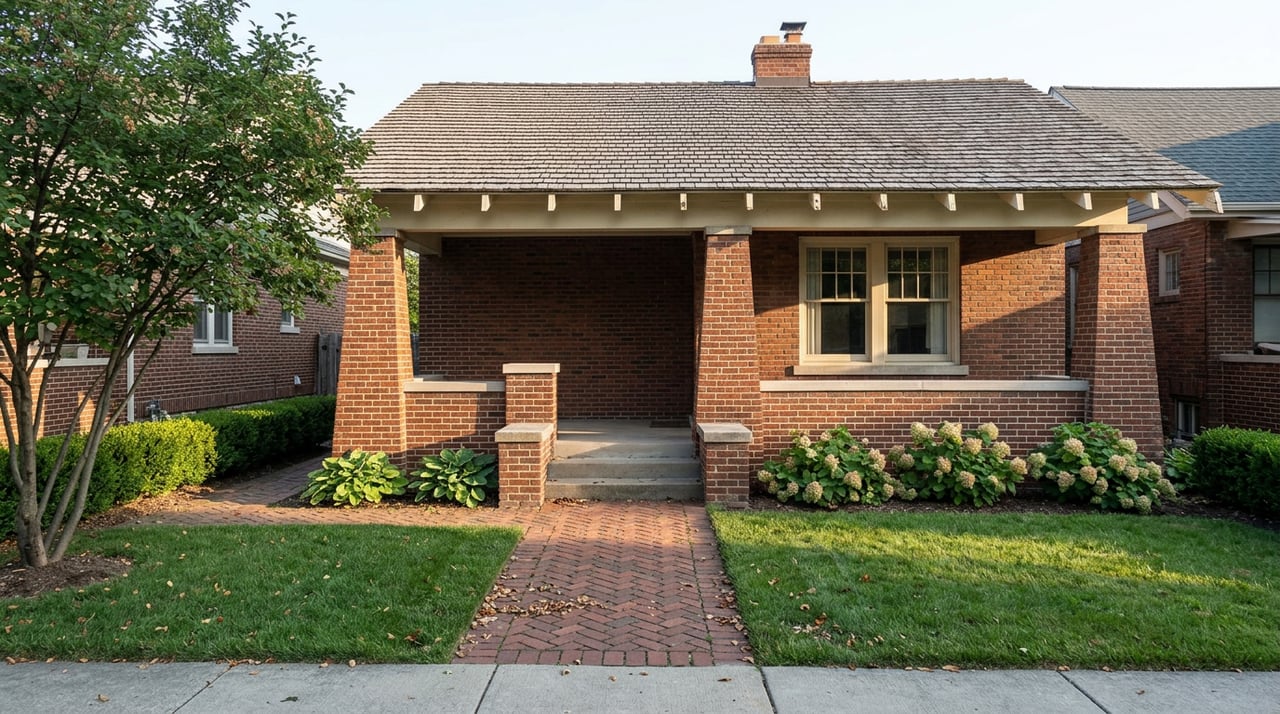
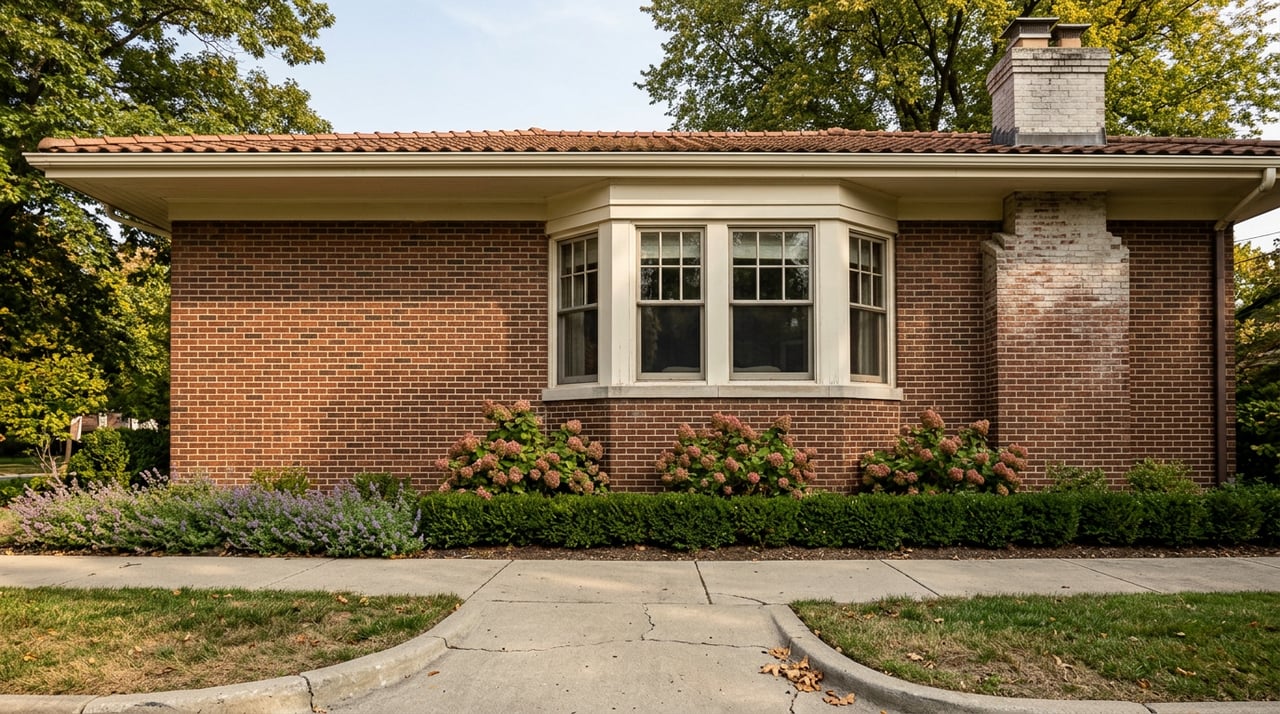
Country Club’s guidelines also set expectations for architectural compatibility. The district favors pitched roofs similar to historic forms, vertically proportioned windows with visible depth, clearly defined entries such as porches or stoops, and muted earth-tone color palettes rather than bright exterior colors.
For buyers, this matters because exterior remodeling choices often need to support the historic character of the home and streetscape. A design-forward update may still be possible, but it should be grounded in the district’s standards rather than treated like a blank canvas.
Because many Country Club homes date to the district’s 1902 to 1945 period of significance, older-home due diligence is essential. Inspection is not just about current livability. It is also about understanding the cost, risk, and complexity of future ownership.
In this neighborhood, the right diligence plan often goes beyond a standard home inspection. Depending on the home, specialist evaluations may be warranted for legacy materials, masonry, roofing, windows, drainage, and utility systems.
The EPA says older homes are more likely to contain lead-based paint, and it recommends assuming pre-1978 homes contain lead unless testing shows otherwise. According to the EPA’s lead-based paint guidance, renovation activities like sanding, cutting, and window replacement can create hazardous lead dust.
That is especially relevant in a historic home where original trim, windows, and painted surfaces may be preserved. If updates are on your horizon, lead-safe work practices should be part of your planning from the start.
Asbestos may still be present in older structures, including floor and ceiling tiles, insulation, pipe wraps, and similar materials. The EPA notes in its asbestos information that risk often rises when those materials are disturbed during renovation.
For many buyers, asbestos is less about immediate day-to-day use and more about remodel cost and complexity. If you are buying with renovation in mind, this is worth evaluating before closing rather than after demolition begins.
Radon should be part of the conversation in Denver-area purchases, including luxury historic homes. The Colorado Department of Public Health and Environment says in its radon overview that about half of Colorado homes exceed the EPA action level, and elevated radon has been found in all parts of the state.
Age and home style do not determine whether radon is present. That is why radon testing remains important even in a well-maintained or extensively updated property.
Water infrastructure is another issue that deserves attention in older neighborhoods. Denver Water states that homes built before 1951 are more likely to have lead service lines, and it estimates that 60,000 to 64,000 properties in its service area may have them. You can review the utility’s lead service line information as part of your diligence planning.
In Country Club, lead service line verification should be treated as a standard checkpoint. It is not an unusual concern in this housing stock, and it can affect both cost expectations and future project planning.
Historic luxury homes tend to trade differently than newer, turnkey properties. In Denver’s broader market, spring 2026 conditions became more balanced, with REcolorado reporting a median sale price of $589,000, about 12 weeks of inventory, and a median of 18 days in MLS in its March 2026 housing report.
For Country Club buyers, the higher-price luxury segment tells the more useful story. DMAR’s December 2025 market trends report noted that buyers over $1 million were more deliberate, sellers needed patience and realistic pricing, and homes above $2 million carried about 4.97 months of inventory.
In Country Club, negotiation often centers on the condition of the home and the scope of work you may inherit. A house that needs preservation-compliant updates, deferred maintenance, or specialist remediation may create more room for negotiation than a property that is already well-executed and move-in ready.
Common negotiation points can include:
This is where neighborhood-specific advice matters. In a historic district, price is only one part of the equation. Approval risk, renovation cost, and timeline friction can be just as important.
If you are considering rehabilitation work on a designated historic property, there may be a financial upside worth reviewing. Denver outlines a path for state historic preservation income tax credits, and the process for residential projects includes a pre-application meeting and a Certificate of Appropriateness as part of the application path.
Not every project will qualify, and buyers should confirm details early. Still, for the right property, these credits may help offset part of the cost of approved preservation and rehabilitation work.
Buying historic in Country Club is rarely just about finding a beautiful house. It is about matching your vision with the realities of preservation rules, renovation feasibility, inspection risk, and luxury-market negotiation. The buyers who do best here usually ask deeper questions before they fall in love with a floor plan.
If you want guidance on evaluating historic homes in Country Club, from off-market sourcing to diligence strategy and negotiation, Mckinze Casey offers a private, highly tailored approach built for complex Denver purchases.

Ready to turn your homeownership dreams into reality? Fantastic! Drop us a line below—because making magic happen is more fun when we do it together. Let's chat about your home aspirations and turn them into a blockbuster story. Ready, set, type away!