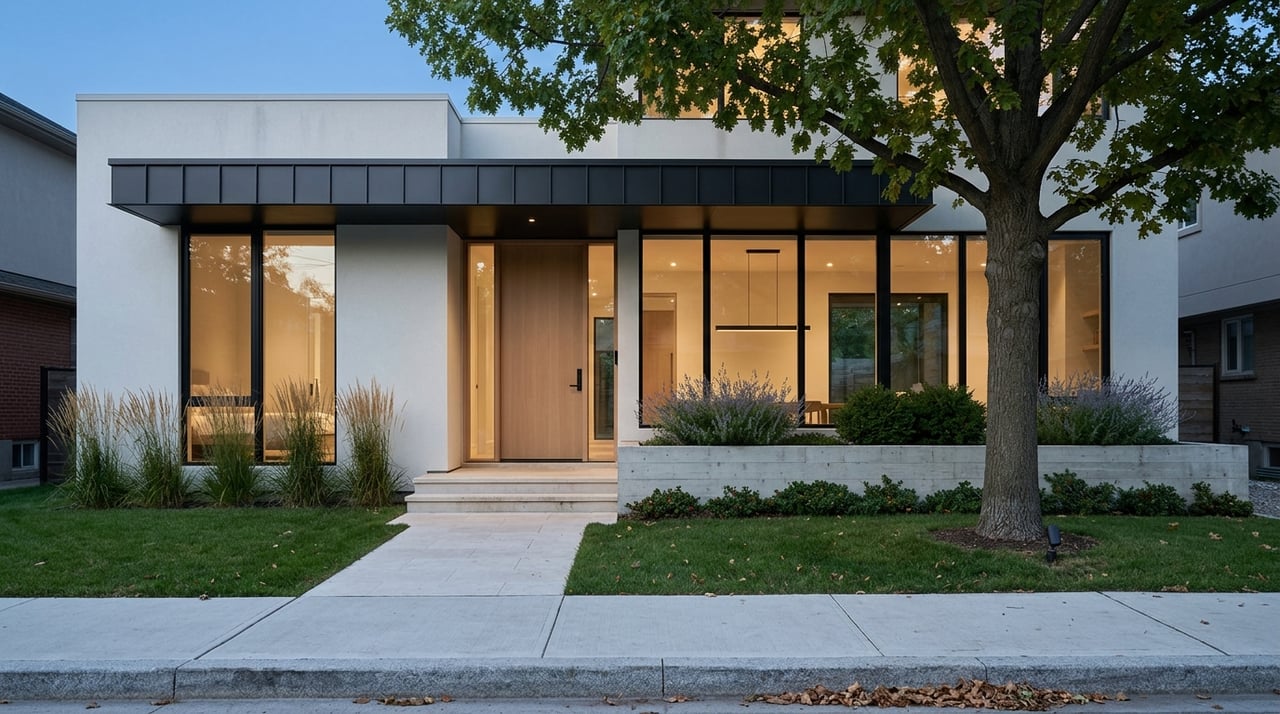
Is Hilltop Denver Lifestyle the Right Fit for You?
April 16, 2026
April 16, 2026
If you are looking for a Denver neighborhood that feels calm and established without feeling disconnected, Hilltop stands out. You get leafy residential streets, notable green space, and a handful of everyday spots close to home, plus easy access to Cherry Creek when you want a denser mix of shops and dining. For many buyers, that balance is the real appeal. Let’s dive in.
Hilltop is generally defined by the Hilltop Neighborhood Association as the area between Colorado Boulevard on the west, Alameda Avenue on the south, Holly Street on the east, and 8th Avenue on the north. The association describes its mission as preserving and enhancing the neighborhood’s quality of life and character, which helps explain why Hilltop feels cohesive and established. You can learn more from the Hilltop Neighborhood Association boundaries and overview.
In day-to-day terms, Hilltop is known more for its residential setting than for a dense retail corridor. 5280’s neighborhood overview describes wide shady streets, spacious parks, and a growing culinary scene, which is a useful snapshot of what residents actually experience.
Hilltop’s lifestyle is rooted in space, greenery, and a quieter street rhythm. Instead of a constant stream of storefront activity, you are more likely to notice mature trees, larger residential blocks, and parks that shape the neighborhood’s routine.
That difference matters if you are comparing Hilltop with more amenity-dense parts of Denver. Hilltop is not trying to be an urban-core, shop-outside-your-door neighborhood. Its appeal is that you can enjoy a more relaxed residential setting while staying close to one of Denver’s busier lifestyle districts.
Hilltop is best described as somewhat walkable rather than highly walkable. Walk Score rates Hilltop at 54, and notes roughly 39 restaurants, bars, and coffee shops in the area.
That score lines up with the neighborhood’s overall pattern. You can handle some outings and shorter errands on foot, especially depending on where you live within Hilltop, but you will not find the same concentration of retail and dining that you would in a more compact mixed-use district.
For many residents, that is a fair trade. You give up some walk-everywhere convenience, but gain a calmer residential environment, more green space, and streets that feel less commercial.
Hilltop does have neighborhood-scale destinations that support daily life. According to 5280’s Hilltop guide, examples include Park Burger, Locanda Del Borgo, Kazumi Sushi, Call Your Mother Deli, High Point Creamery, and Pete's Fruits and Vegetables.
That mix reinforces an important point about Hilltop. You may not do every errand on foot, but you can still enjoy nearby places for a casual meal, coffee, dessert, or a quick stop for produce and essentials.
In Hilltop, walkability is less about living in the middle of nonstop activity and more about having a comfortable neighborhood framework for everyday routines. Think walks to the park, neighborhood dining, and scenic routes through residential streets.
If your priority is being surrounded by a large concentration of shops, restaurants, and events within a few blocks, Hilltop may feel quieter than expected. If your priority is a residential neighborhood with outdoor space and practical access to other destinations, the layout makes more sense.
One of Hilltop’s biggest strengths is how much its outdoor spaces contribute to the neighborhood feel. The area reads as park-forward, not because it is packed with one giant recreation district, but because several different green spaces serve different purposes.
That variety helps create a flexible routine for residents. Some parks are better for views and a destination feel, while others are more casual and woven into neighborhood life.
Cranmer Park, also called Sundial Park, is one of Hilltop’s defining outdoor spaces. The Hilltop Neighborhood Association highlights its sundial and open terrace, along with views of the Rocky Mountains and the city skyline.
This is the kind of place that gives the neighborhood a sense of identity. It is not just a patch of green space. It is a recognizable landmark that supports walks, downtime, and some of the best open views in the area.
Robinson Park offers a different kind of neighborhood use. The association notes a playground, a sledding hill, and a long history of picnics, sports, meetings, and community gatherings.
That makes Robinson Park feel especially practical for casual weekend use and everyday neighborhood activity. It adds to the sense that Hilltop supports a lived-in, community-oriented rhythm rather than a purely scenic one.
Burns Park sits at Colorado Boulevard, Alameda Avenue, and Leetsdale Drive. The neighborhood association describes it as a triangular park with public-art interest, giving it more of a landmark role at the neighborhood’s edge.
While it functions differently from Hilltop’s interior parks, it still adds to the area’s outdoor identity. It is part of the reason Hilltop feels visually defined by green and civic space.
The 6th Avenue Parkway is another major piece of Hilltop’s lifestyle story. The Hilltop Neighborhood Association describes it as a scenic route running east-west for about two miles from Colorado Boulevard to Quebec Street, designed for pedestrians, cyclists, and motorists.
This corridor helps explain why Hilltop feels especially pleasant for neighborhood movement. The tree canopy and changing seasonal look add to the sense that even a simple walk or bike ride can feel more scenic than purely functional.
To understand Hilltop walkability, it helps to look at its relationship with Cherry Creek. Hilltop offers the quieter residential side of the equation, while Cherry Creek provides the denser shopping, dining, and destination energy nearby.
That pairing is one of Hilltop’s strongest lifestyle advantages. You are not limited to what sits strictly inside the neighborhood boundaries.
Walk Score rates Cherry Creek at 81, which is a clear jump from Hilltop’s 54. Cherry Creek North’s official site also describes the district as having 16 walkable blocks, more than 200 retail shops, 175+ locally owned businesses, and 55 restaurants and cafes.
The exact counts are drawn from different sources and boundaries, so they are not direct apples-to-apples comparisons. Still, they point in the same direction: Cherry Creek is the more amenity-dense and destination-heavy district.
This is where Hilltop becomes easy to understand. You are not choosing a neighborhood with the same all-day retail intensity as Cherry Creek. You are choosing a more peaceful residential setting with a practical connection to that activity.
For many buyers, that is the sweet spot. You can enjoy quieter blocks at home and still reach a more active dining and shopping environment without needing to live in the middle of it.
Access matters just as much as walkability, and Hilltop benefits from strong route connections. According to the Hilltop Neighborhood Association, residents often rely on Colorado Boulevard for trips to Cherry Creek, downtown, I-70, and destinations farther south.
That route context helps explain how residents use the neighborhood. Hilltop supports a residential daily routine internally, while nearby corridors help connect you to the rest of Denver.
Denver’s 1st Avenue redesign project also adds useful context. The city describes the Downing-to-University corridor as a critical connection between downtown and the heart of Cherry Creek, with goals that include intersection improvements, a wider Cherry Creek Trail, and a tree lawn for people walking and rolling.
Hilltop’s rhythm tends to feel quieter in the early morning and evening, with more daytime activity concentrated around parks, the parkway, and key connections like Colorado Boulevard. That impression fits with the neighborhood’s land use and community patterns.
5280’s neighborhood profile also references local community traditions, while the Hilltop Neighborhood Association hosts recurring events such as Family Movie Nights and a Halloween Parade. Those details support the idea that Hilltop’s energy comes more from neighborhood life and shared spaces than from a heavy retail scene.
By contrast, Cherry Creek North is designed for a busier all-day pace with shopping, dining, strolling, and events in a compact setting. Hilltop offers a different experience, one that many residents appreciate precisely because it feels more residential.
Hilltop can be a compelling fit if you want a neighborhood that feels established, green, and calm, but still connected to central Denver amenities. It is especially appealing if you value parks, scenic streets, and nearby access to Cherry Creek more than having every errand handled within a few blocks.
That balance can work well for buyers relocating to Denver, local buyers looking for a quieter setting near urban conveniences, and sellers who want to understand how Hilltop is positioned in the broader luxury market. The neighborhood’s appeal is not just about walkability in a narrow sense. It is about how lifestyle, access, and residential character come together.
If you are weighing Hilltop against Cherry Creek or other central Denver neighborhoods, the right choice often comes down to how you want your daily life to feel. If you want help comparing micro-neighborhoods, planning a relocation, or evaluating a move in Hilltop, Mckinze Casey can guide you with clear local insight and a private, high-touch process.

Ready to turn your homeownership dreams into reality? Fantastic! Drop us a line below—because making magic happen is more fun when we do it together. Let's chat about your home aspirations and turn them into a blockbuster story. Ready, set, type away!